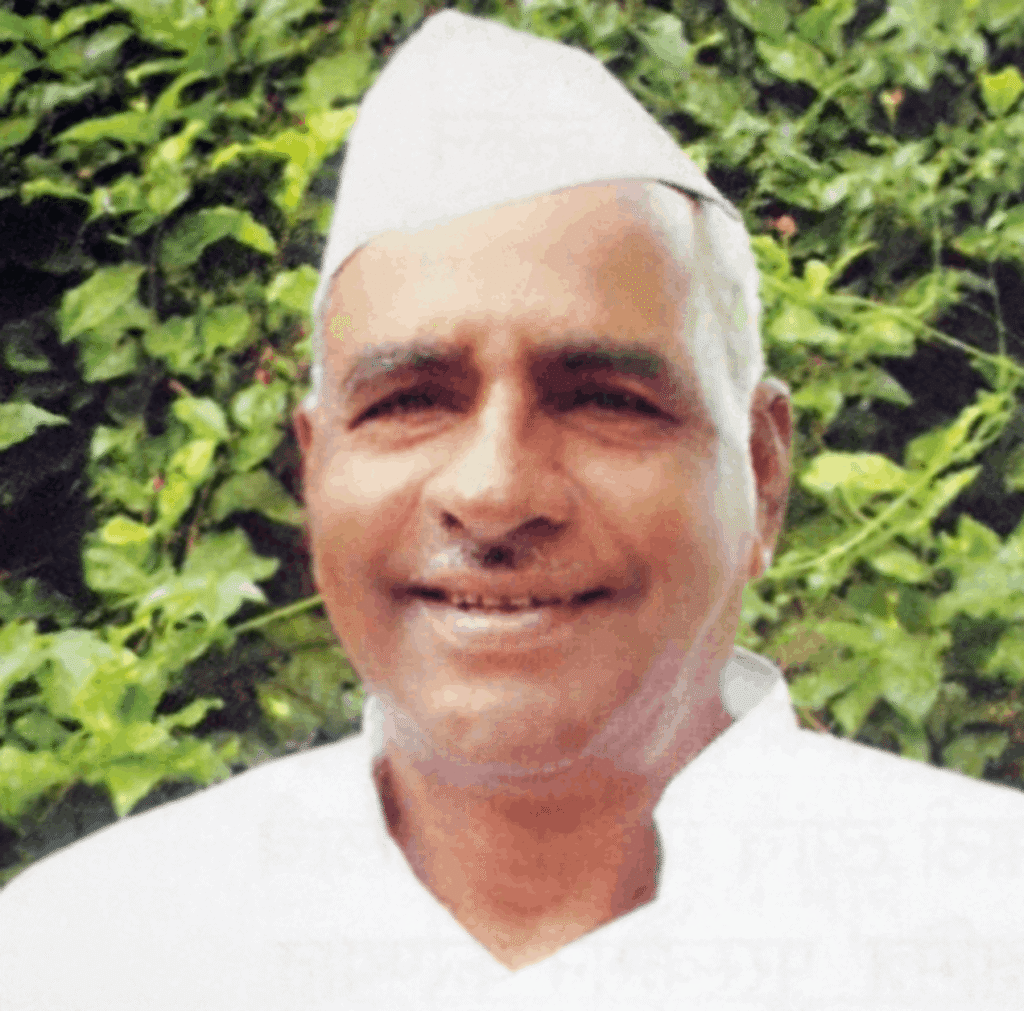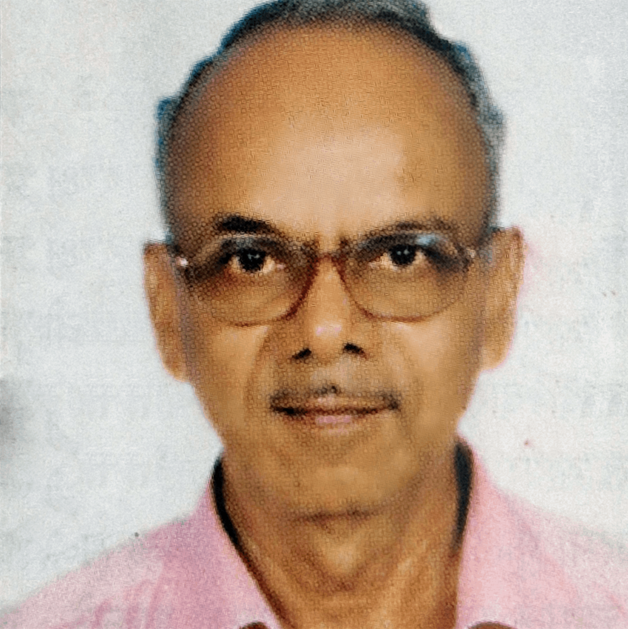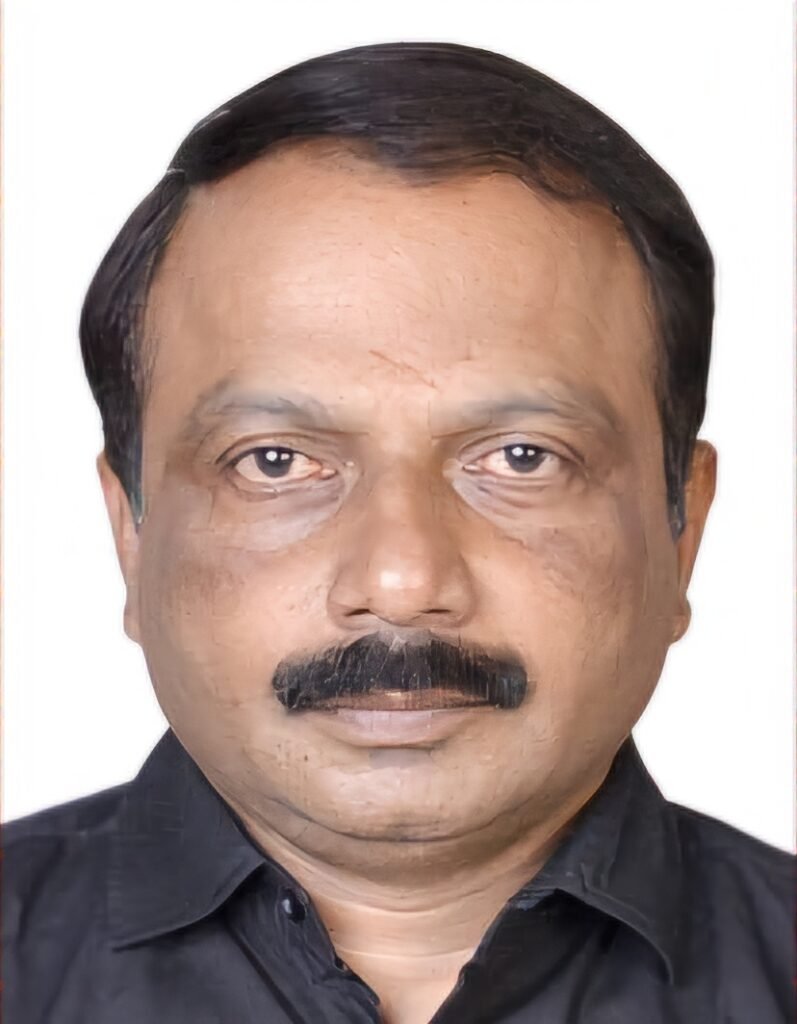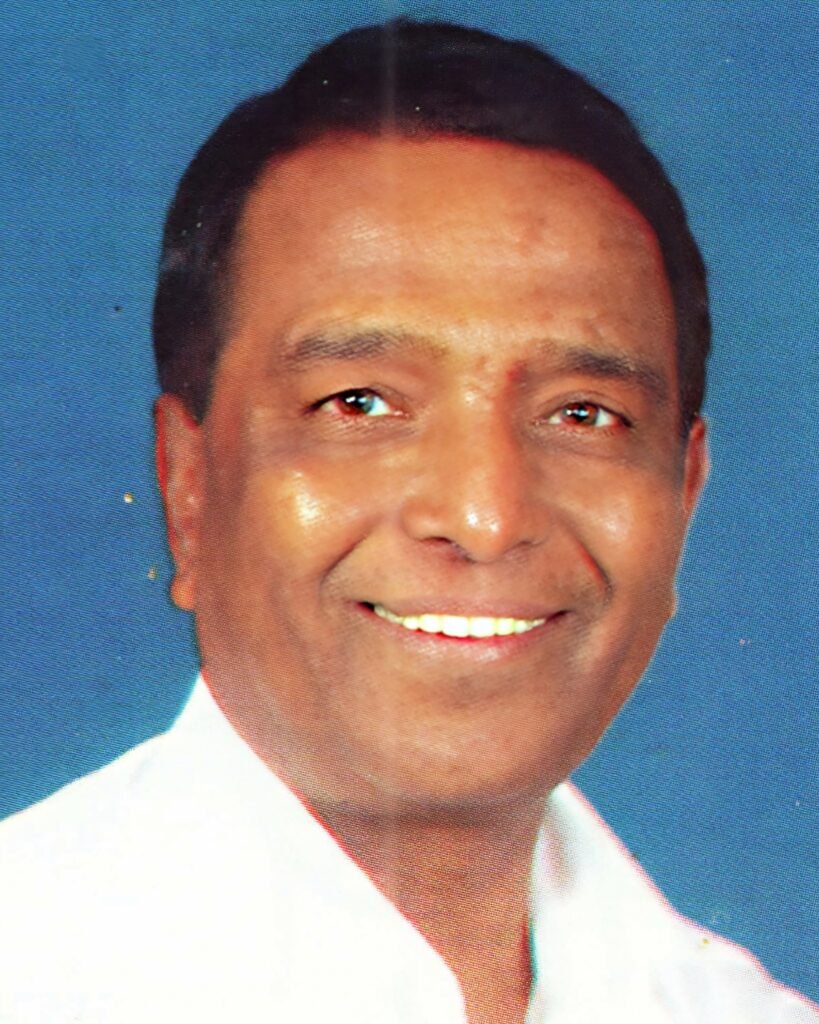
These Are Our

Founding Visionaries of MRDBS
sharad pawar 1

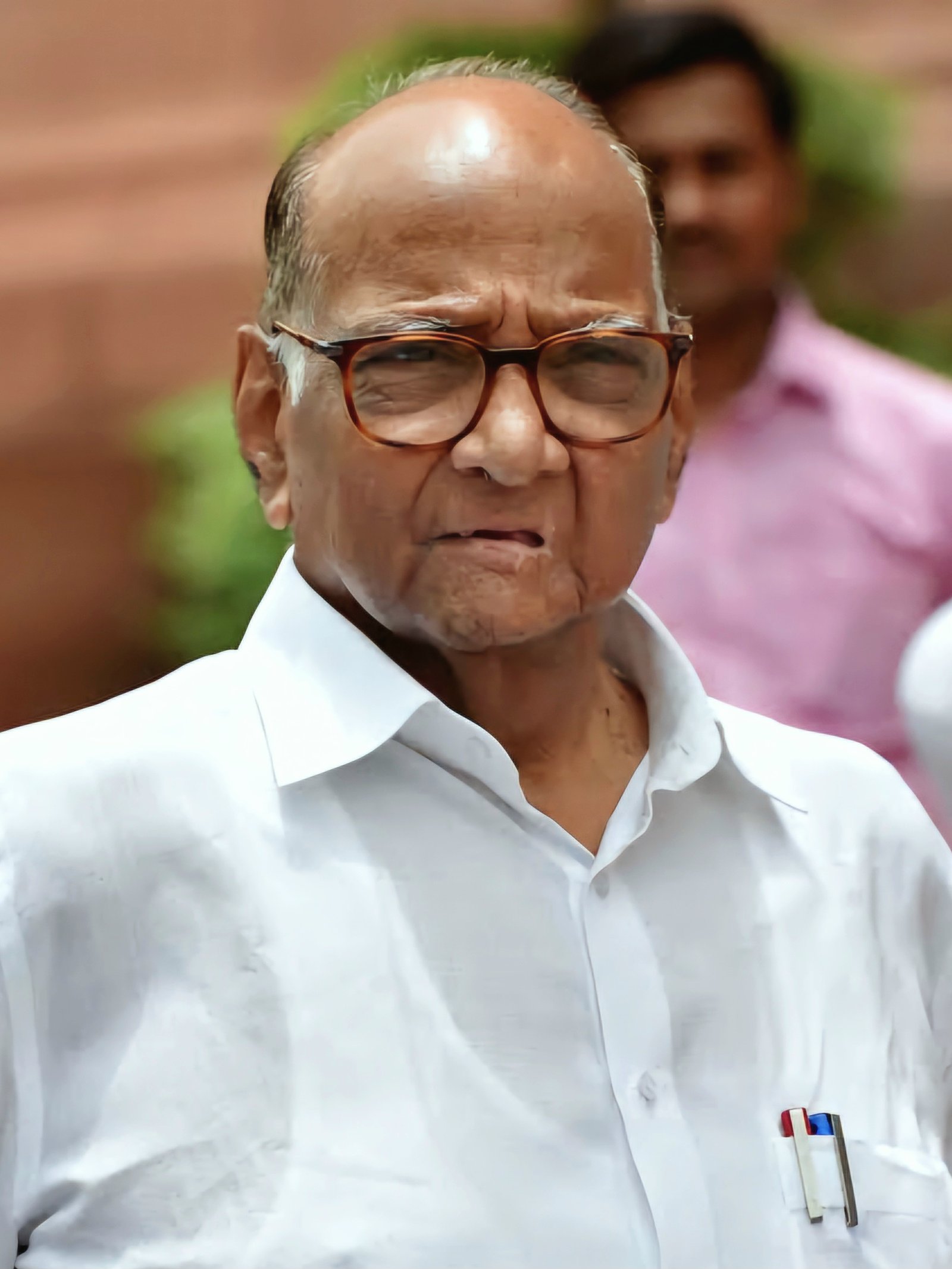
Shri. Sharad Pawar

Sharad Pawar Saheb's transformative impact on Maharashtra’s horticulture, particularly grape cultivation, has earned him the title Father of the Fruit Revolution in the state. Through visionary leadership, he helped make Maharashtra a national leader in fruit production. His unwavering support to grape growers came through key interventions—facilitating the import of Gibberellic Acid (G.A.), reducing import duties on raisins and Grape Guard paper, and consistently backing grape grower associations both through policy and personal involvement. During times of crisis, Pawar Saheb stood firmly with farmers.

In drought-stricken regions, he personally visited devastated orchards, listened to growers, and ensured central government support for relief efforts. His initiatives included interest subsidies on crop loans and the implementation of a historic loan waiver, offering farmers critical economic reprieve. As Chief Minister, he championed agricultural reforms such as subsidies for drip irrigation—making Maharashtra the first state to do so—and promoted mechanisation, fruit processing, and wine production, transforming grapes into a profitable cash crop. Understanding global market demands early, he spearheaded the development of cold storage and pre-cooling facilities vital for grape exports. He made credit more accessible through cooperative and government banks, empowering small farmers and encouraging youth to view agriculture as a viable career. His continued engagement—whether through attending growers’ seminars or ensuring direct compensation after disasters like Cyclone Phyan—underscores his lasting commitment. Sharad Pawar Saheb’s legacy is one of inclusive growth, rural empowerment, and making fruit cultivation a source of pride and prosperity for Maharashtra’s farmers.

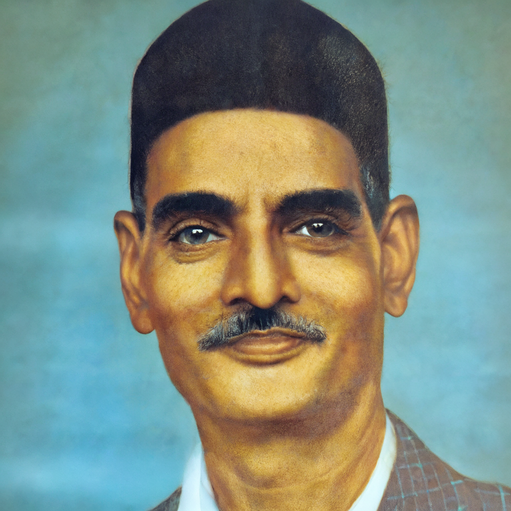
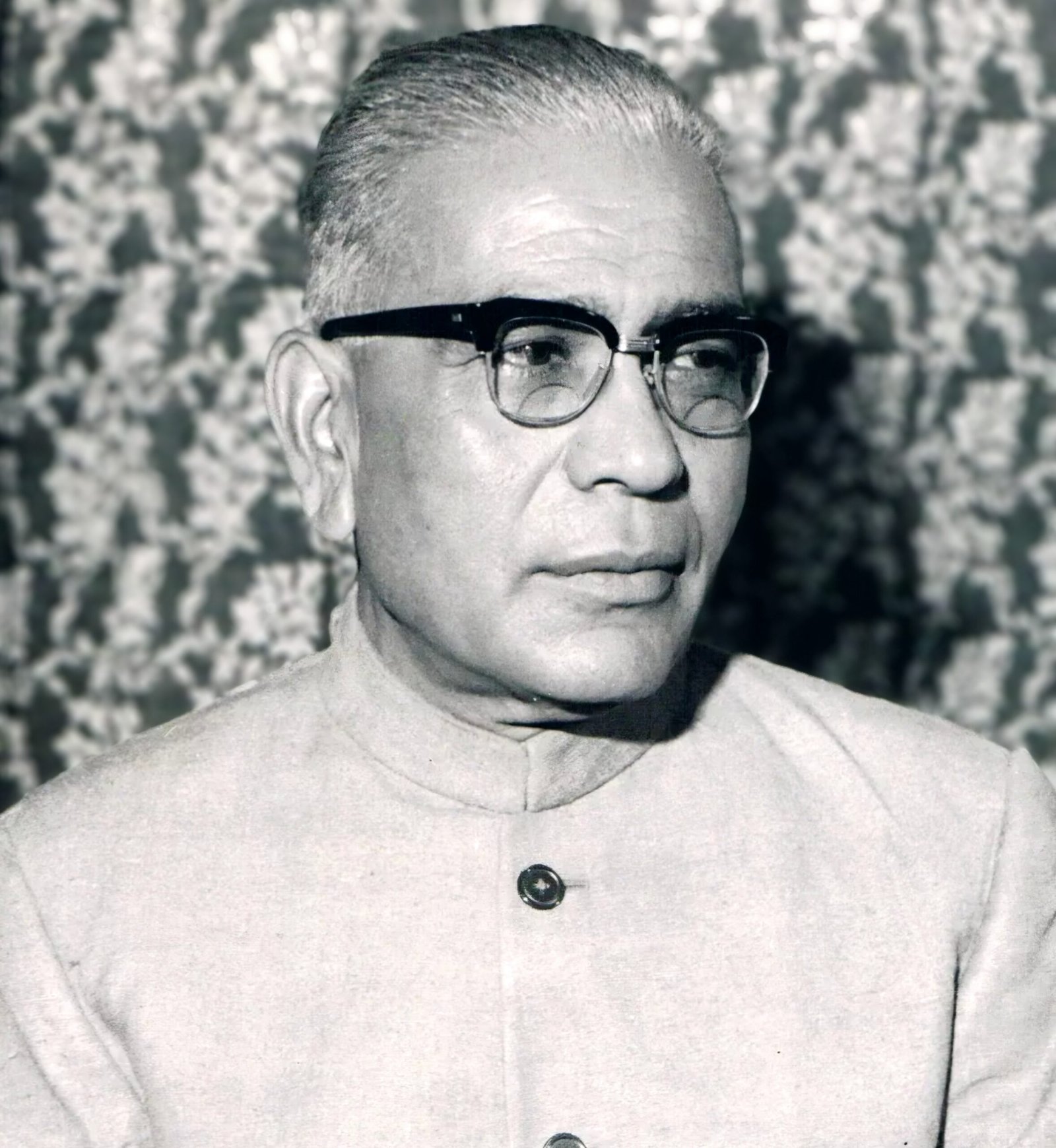
Vasantrao Naik

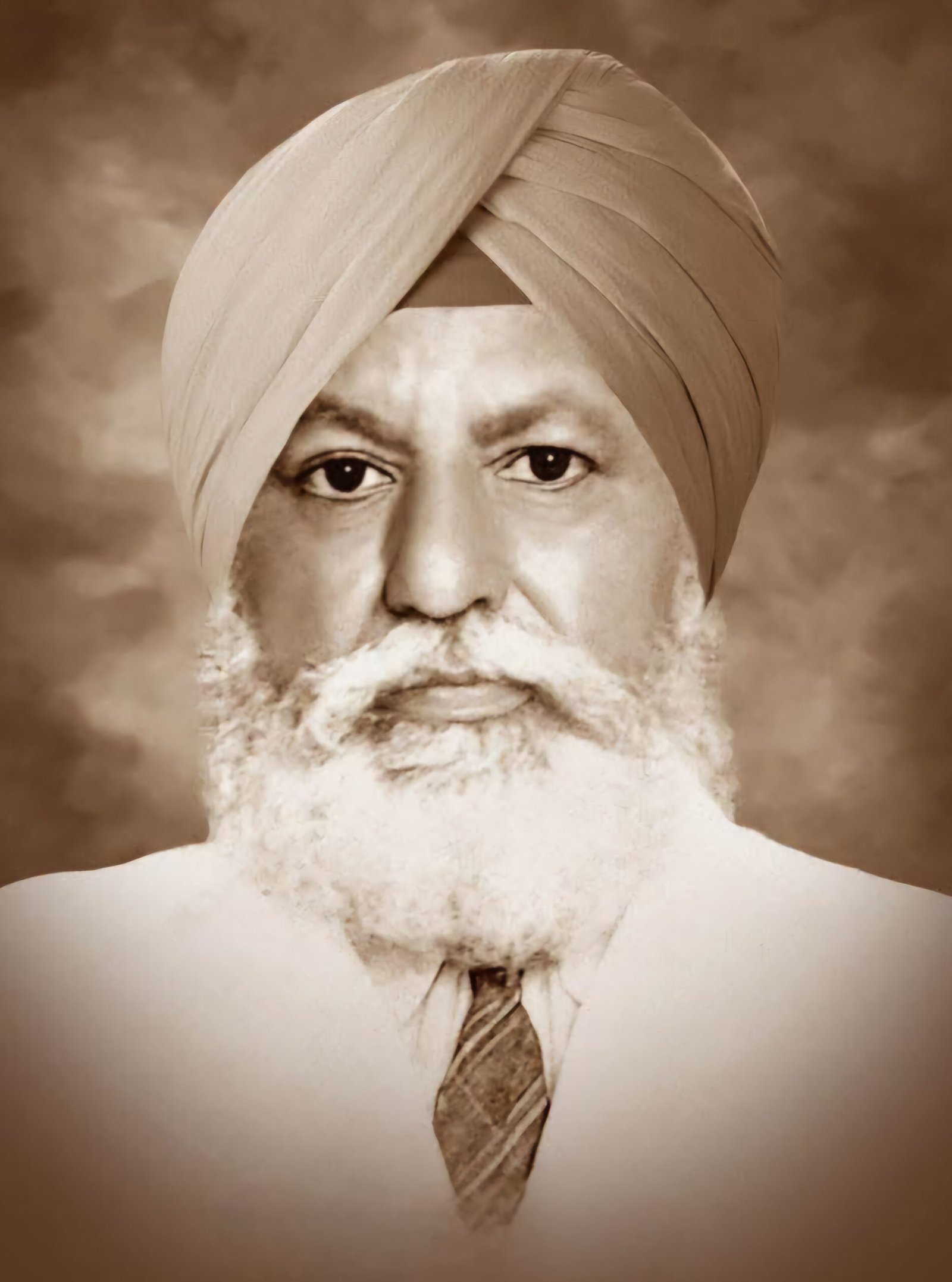
Vasantrao Naik, Maharashtra's longest-serving Chief Minister and the pioneer of the Green Revolution in the state, played a pivotal role in the establishment of the Maharashtra Rajya Draksha Baganidar Sangh (MRDBS), also known as the Maharashtra State Grape Growers' Association. Despite this, grape farming remained underdeveloped due to lack of awareness, research, and organised support. Vasantrao Naik had a deep understanding of the state's agro-climatic diversity. He recognised that certain regions—particularly parts of Nashik, Sangli, and Pune—offered ideal conditions for grape cultivation.
vasantrao naik 1
Naik strongly believed that collective action was necessary for the success of grape cultivation. He envisioned an organisation that would bring together grape growers, promote scientific farming, and lobby for their interests. His vision was that such a body could become a catalyst for transforming viticulture in Maharashtra. Naik discussed his idea with agricultural experts like Dr. Gopalkrishnan, a noted horticulturist. With his advice, Naik initiated outreach to leading grape growers across the state. As a result, in 1960, a meeting was convened in Nagpur, bringing together progressive farmers such as: Annasaheb Shembekar, Annasaheb Chichnikar, K.P. Deshmukh (Bapu), S.S. Nilakhe, Paradkar and others. This meeting laid the foundation for what would soon become the MRDBS. Naik also encouraged agricultural colleges and research institutions to pay attention to grape research. His administration supported exhibitions, farmer outreach programs, and the propagation of successful grape varieties. Vasantrao Naik’s contribution to MRDBS was foundational. He provided the vision, political backing, and initial momentum needed to unite grape growers under one organisation. His efforts marked the beginning of an organised, scientific, and profitable grape industry in Maharashtra—a legacy that MRDBS continues to uphold to this day.
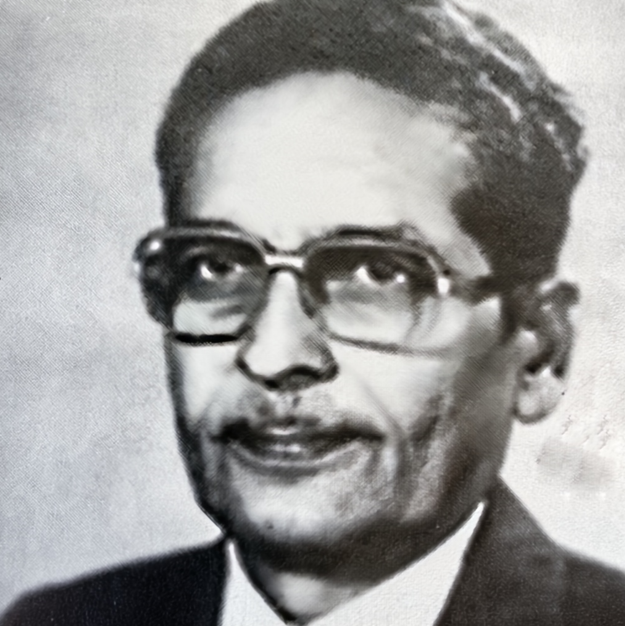
dr. g. s. cheema

Dr. G.S. Cheema

Dr. Cheema was born in August 1894 in Sanhowal, Sialkot District (then in West Punjab). He played a pioneering role in introducing superior fruit and vegetable varieties to Maharashtra's farmers, including Custard Apple, Annona-Hybrid-2, Grape Selection 7, and the Ganesh and Sardar pomegranate varieties. He also developed vegetable strains such as brinjal and fenugreek, and initiated early research on flower crops like tuberose and Magnolia champaca. Around 1924, Dr. Cheema launched a grape improvement programme, selecting superior varieties such as Selection 7 and Selection 94 from existing local grapes like Bhoopali, Fakdi, and Pandhari Sahebi, with assistance from Dr. Paranjpe and Dr. Deshmukh.

Among these, Selection 7 proved exceptionally high-yielding and was later renamed Cheema Sahebi under the leadership of Chief Minister Vasantrao Naik. This variety set production records, with farmer Manikrao Jachak of Baramati achieving 95 tonnes per hectare. In addition to varietal development, Dr. Cheema’s research extended to grape pruning, training systems, rootstocks, storage, and fertiliser use. His visionary contributions laid the foundation for many modern grape cultivation practices in India. A scientist, I.A.S. officer, and deeply compassionate individual, Dr. Cheema remains a revered figure in the history of Indian horticulture.

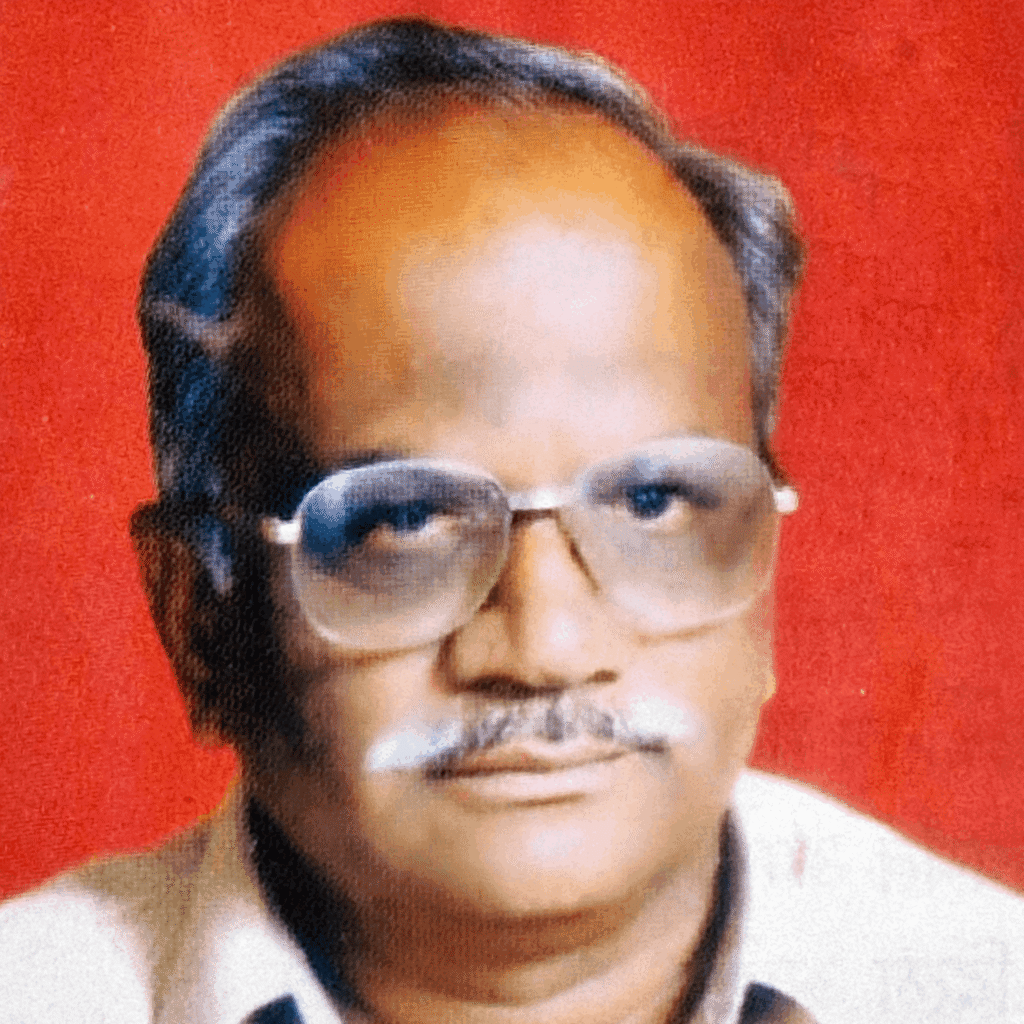
Dr. K.L. Chaddha

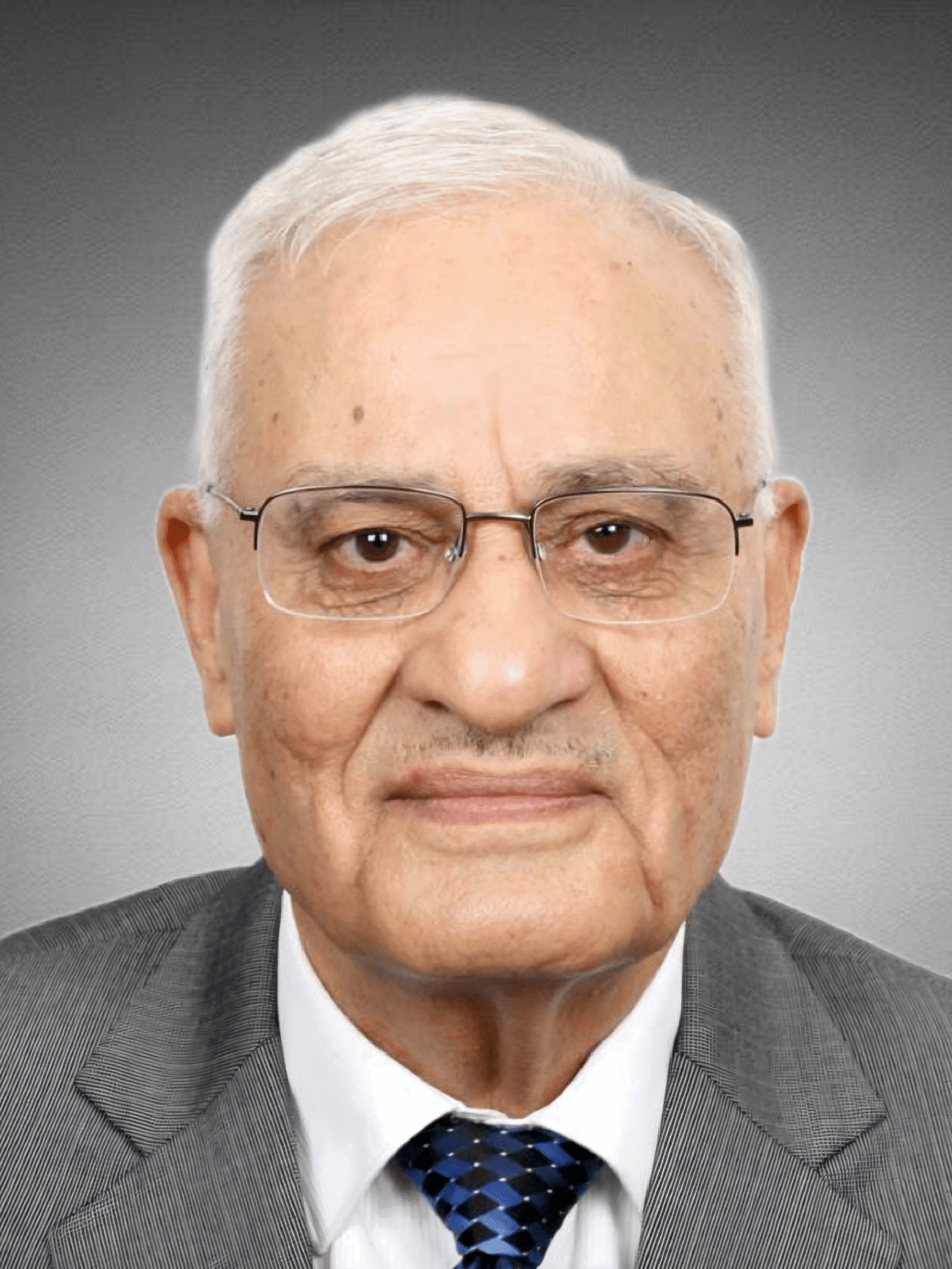
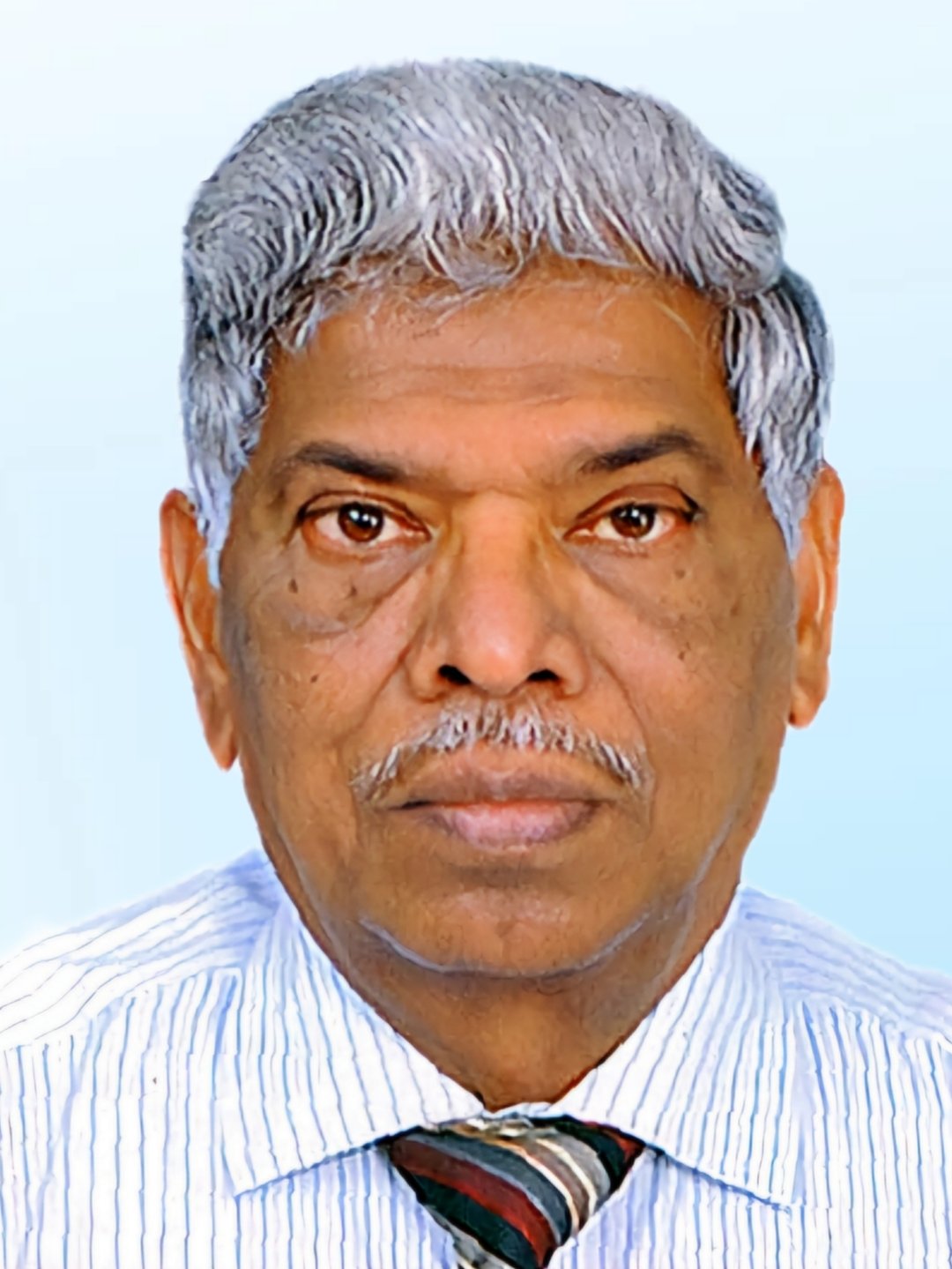
Dr. K.L. Chaddha earned his undergraduate and postgraduate degrees in Horticulture from Punjab Agricultural University, Chandigarh, in 1955 and 1960, followed by a Ph.D. in Viticulture from the Indian Agricultural Research Institute, New Delhi. He began his career as a Fruit Expert at Punjab Agricultural University, contributing significantly to teaching, research, and extension in viticulture. He later served as Director of the Fruit Research Centre in Bangalore, where he specialised in grapevine training, pruning, nutrition, and the use of growth regulators, offering valuable guidance to grape growers.
dr. k.l.chadha
He also held the position of Secretary of the international organisation “Tropical Agriculture” in the Netherlands for several years. Dr. Chaddha’s work earned recognition from the MRDBS and the Andhra Grape Growers’ Association. He was honoured with the Vasantrao Naik Award and several prestigious national and international accolades, including the Borlaug Award, Om Prakash Bhasin Award, and Marigowda Memorial Award. His contributions to viticulture are well documented through his numerous research papers and books.
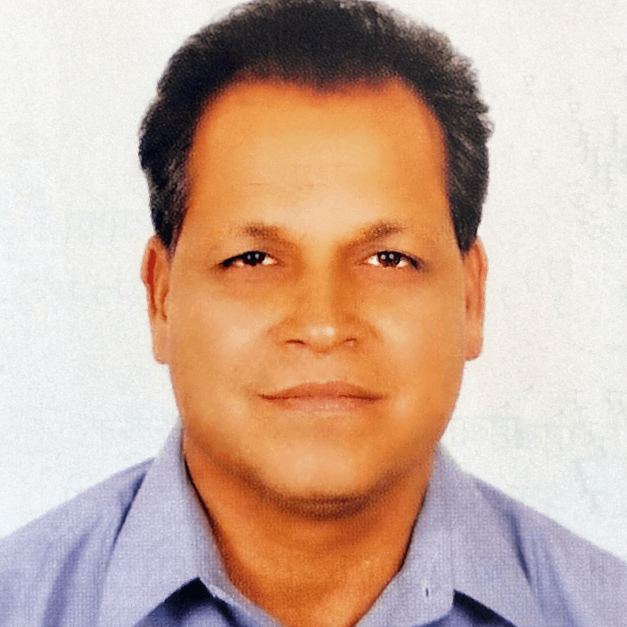
dr. s. d. shikhamani

Dr. S.D. Shikhamany

Dr. S.D. Shikhamany, born in June 1947 in Alampur, Andhra Pradesh, pursued his undergraduate and postgraduate studies in agriculture in Hyderabad, later earning a Ph.D. in Viticulture from Bangalore University in 1983. To deepen his expertise, he trained for two years at the University of California, Davis, and also visited countries like Brazil, Thailand, and China to study advanced grape cultivation techniques. With over 30 years of experience in viticulture, Dr. Shikhamany has made notable contributions to sustainable grape production, even in challenging conditions.

He has presented 85 research papers at international conferences and served on several national and global committees, earning recognition from various organisations for his impactful work. As the founding director of the National Research Centre for Grapes in Pune, his leadership and research have significantly benefited grape growers in Maharashtra, Karnataka, and Andhra Pradesh, advancing the adoption of scientific practices across the region.

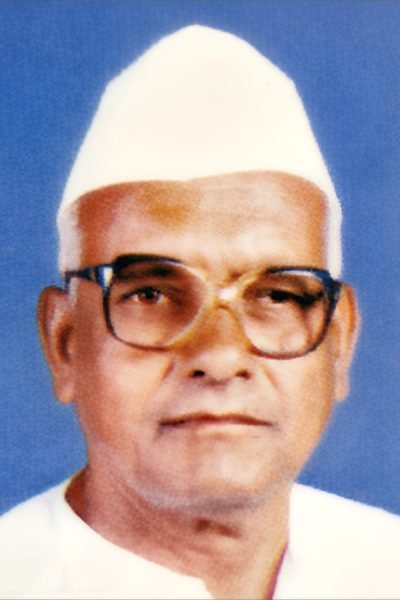
Late Shri. A. Dabholkar

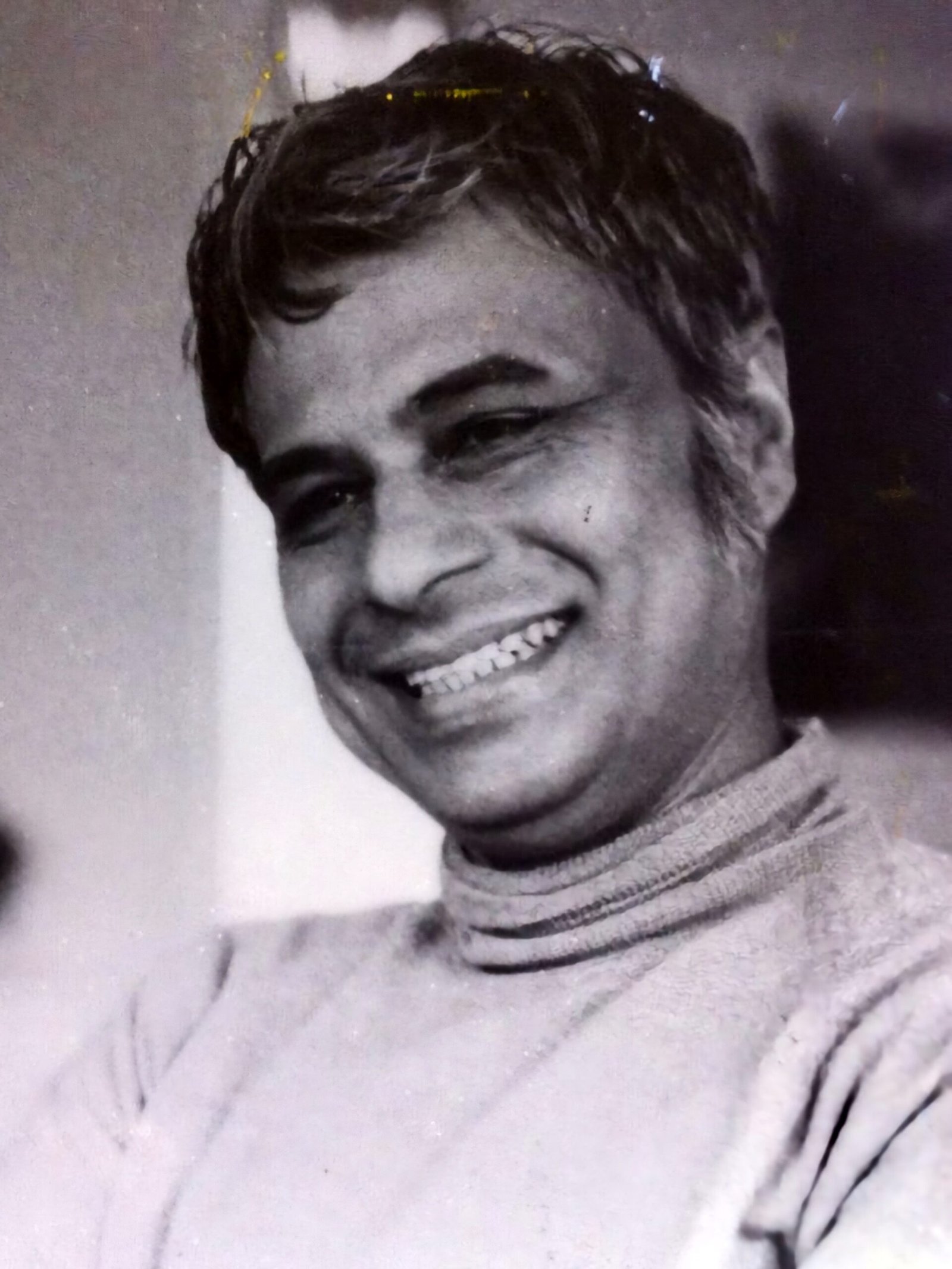
“What you have is yours” was the guiding mantra of Dabholkar Sir, who revolutionised grape farming by simplifying complex scientific methods for ordinary farmers. Through his pioneering initiative, ‘Prayog Parivar’ (Experiment Family), he empowered curious and studious farmers to adopt experimental and scientific approaches. His vision extended beyond national and linguistic boundaries, opening the doors of viticulture science to smallholders both in India and abroad. Dabholkar Sir strongly believed that even small and marginal farmers could become self-reliant.
shripaddabholkar 828x1024
He confidently demonstrated that an annual income of ₹40,000 to ₹50,000 was achievable from just ten gunthas (about a quarter acre) of land. His innovative ideas gained global recognition — in 1974, they were acknowledged at the World Agricultural Experts Conference in Mexico, and in 1979, validated by Kiel University in Germany. A tireless advocate for drought-prone regions of Maharashtra, he remained humble and never sought accolades. Despite this, his work earned high praise: the Marathi Vigyan Parishad honoured him in 1979, followed by the Vasantrao Naik Award in 1988, and the prestigious Bajaj Award — all in recognition of a life devoted selflessly to the cause of Indian farmers.
ganpatrao abasaheb mhetre

Late Shri. Ganpatrao alias Abasaheb Mhetre

Despite limited formal education up to the 7th grade due to family hardships, Abasaheb pursued his passion for farming with remarkable dedication. Starting with leased land, he purchased rainfed farmland in 1952 and soon achieved record yields in traditional crops like sugarcane, bananas, and turmeric. In 1960, he ventured into grape farming, beginning with the Bhoopali variety and later excelling with Thompson Seedless grapes, setting new production benchmarks. Guided by Late Vasantraoji Are, Prof. Dabholkar, and Shri Namdev Bapu, Abasaheb conducted successful experiments in grape cultivation techniques, including pruning, vine training, optimal spacing, use of Gibberellic Acid, thinning, and girdling.

He played a vital role in founding the ‘Vaigyanik Drakshakul’ and popularising the Tasgaon Chaman grape. He also contributed to market-oriented grape sales by analyzing demand trends and was instrumental in promoting raisin production, even managing high yields under water-scarce conditions using saline water. Beyond grapes, Abasaheb explored horticulture by collecting elite mango varieties from across India and enhancing production of fruits like mango and ber through natural farming methods. His work earned him recognition from the Fie Foundation in 1996 and the prestigious ‘Krishi Bhushan’ award from the Maharashtra Government.

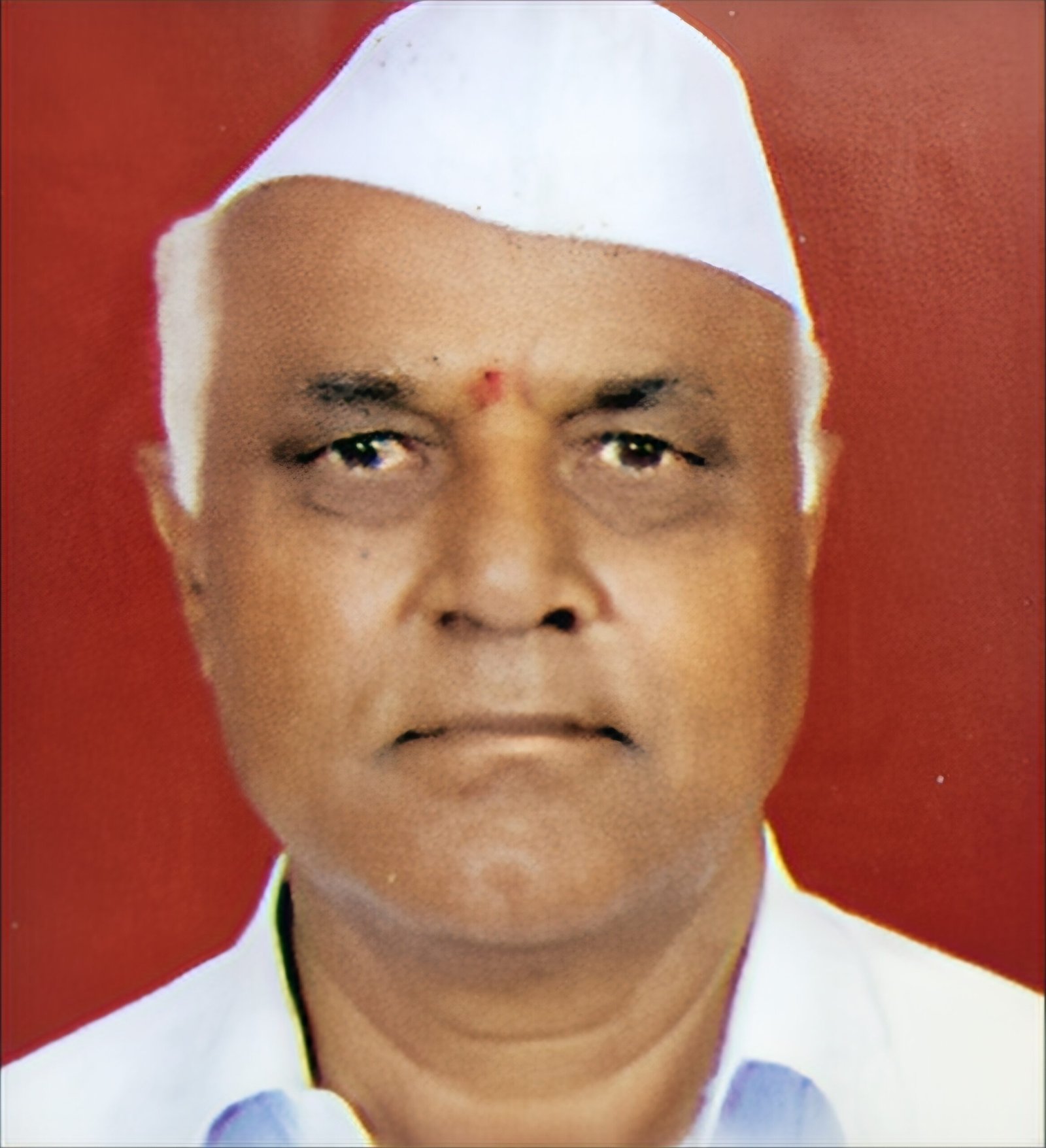
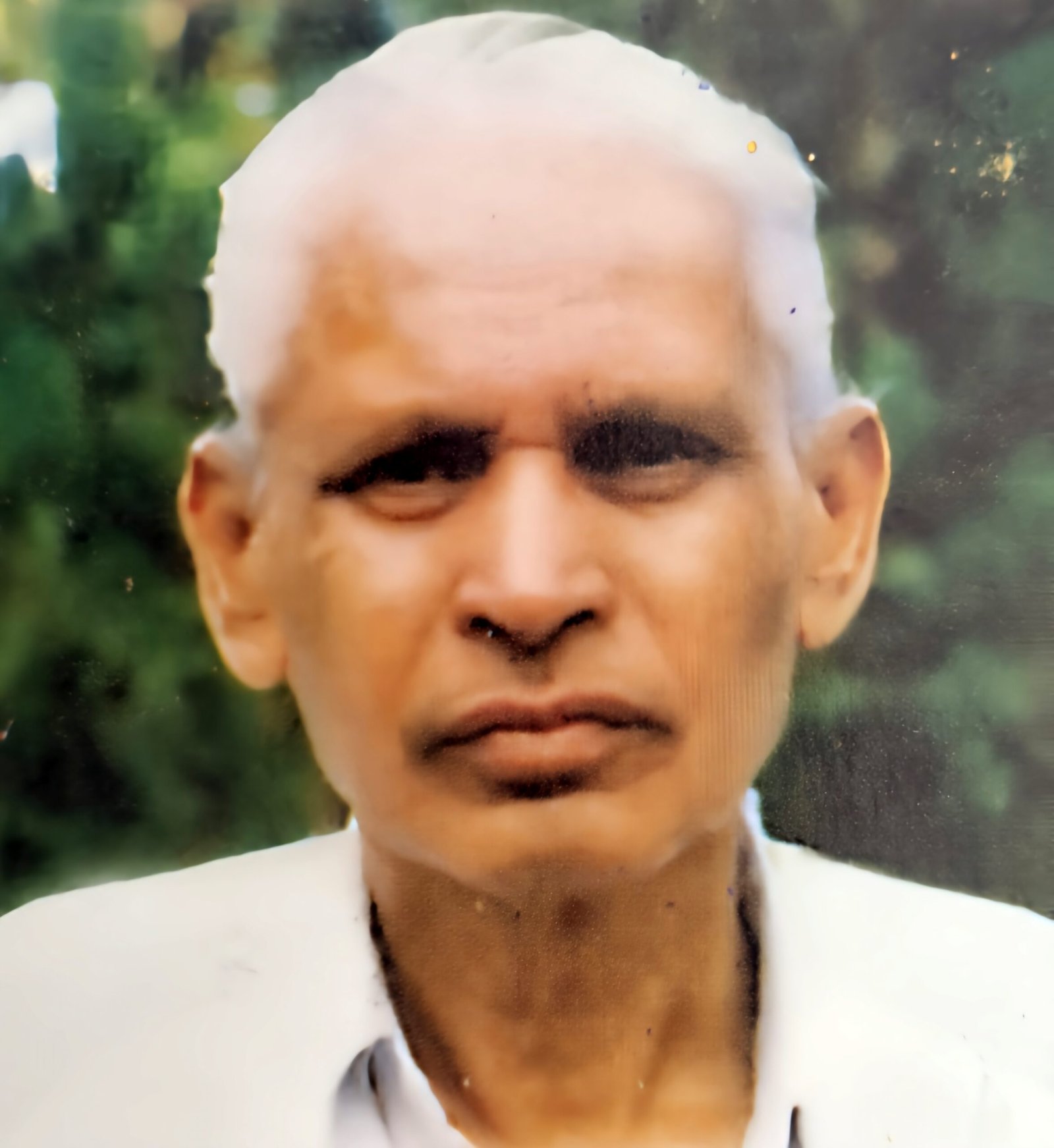
Shri. Vibhakar Dattatray Patil

Shri Vibhakar Dattatray Patil is a dedicated and knowledgeable expert in grape cultivation. Driven by a passion for farming from an early age, he earned a B.Sc. degree and chose to focus entirely on agriculture instead of seeking traditional employment. He has continually studied advanced grape farming technologies from various countries and adapted them to suit Indian conditions, applying these innovations in his own vineyards to produce high-quality grapes. Highly regarded for his expertise, Patil regularly provides guidance to grape growers in Maharashtra and Karnataka.
vibhakar d patil
He has served on the Executive Committee of the MRDBS, Pune, for many years and is also a director on the Central Science Committee. From 1978 to 1982, he was a member of the Central Advisory Committee in the Ministry of Food and Agriculture, Government of India. In 1986, he attended the International Horticultural Congress at Davis University, California. At the invitation of Dr. Possingham, Director of C.S.I.R.O. Australia, he visited the country to study advanced raisin-making techniques, which were later introduced to benefit raisin producers in Maharashtra. Shri Patil continues to play an active role in several key agricultural organisations. He is a member of the Advisory and Legal Committees of the Indian Grape Research Centre, Pune, Treasurer of the Karnataka State Grape Growers’ Association, and a director of the National Grape Federation. He has also contributed significantly to organising international grape conferences in Hyderabad and Baramati.
manohar arve

Krishibhushan, Late Manohar alias Vasantrao Mahadev Arve

With a deep-rooted interest in agriculture, Vasantrao Arve turned to grape cultivation after completing his basic education. His inquisitive and diligent nature led him to experiment extensively with grape farming techniques. He researched key practices such as pruning, vine training, girdling, and the use of growth regulators, eventually developing his own methods. The grape varieties he created—Tasgaon Chaman and the widely popular Tas-A-Ganesh—earned national recognition and were adopted by growers across Maharashtra, Karnataka, Andhra Pradesh, and North India.

In 1981, to boost grape exports, he introduced a modern packaging method using Grape Guard, which spurred the growth of supporting industries. He revolutionised raisin production by promoting drying sheds, enhancing quality and enabling India to shift from importing to exporting raisins. To address labour shortages in vineyard management, he promoted advanced techniques like improved vine training systems, drip irrigation, and mechanised spraying. He strongly advocated for the removal of import duties on key inputs like Grape Guard, Gibberellic Acid, and dipping oil, and pushed for the establishment of a cold storage network. Vasantrao Arve travelled widely—including to the UAE, California, Switzerland, France, Egypt, and Israel—to study and implement global agricultural practices in Maharashtra. He served as President of the Grape Growers’ Federation in Pune, was on the Executive Committee of MRDBS, and held key positions with NHB, APEDA, and Bharat Krishak Samaj. For his pioneering contributions, he received numerous accolades, including the ‘Krishibhushan’ award from the Maharashtra Government in 1985.

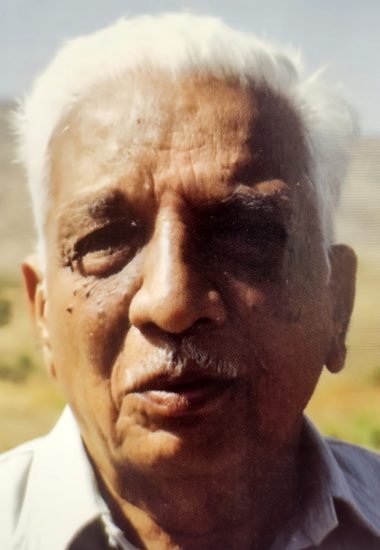
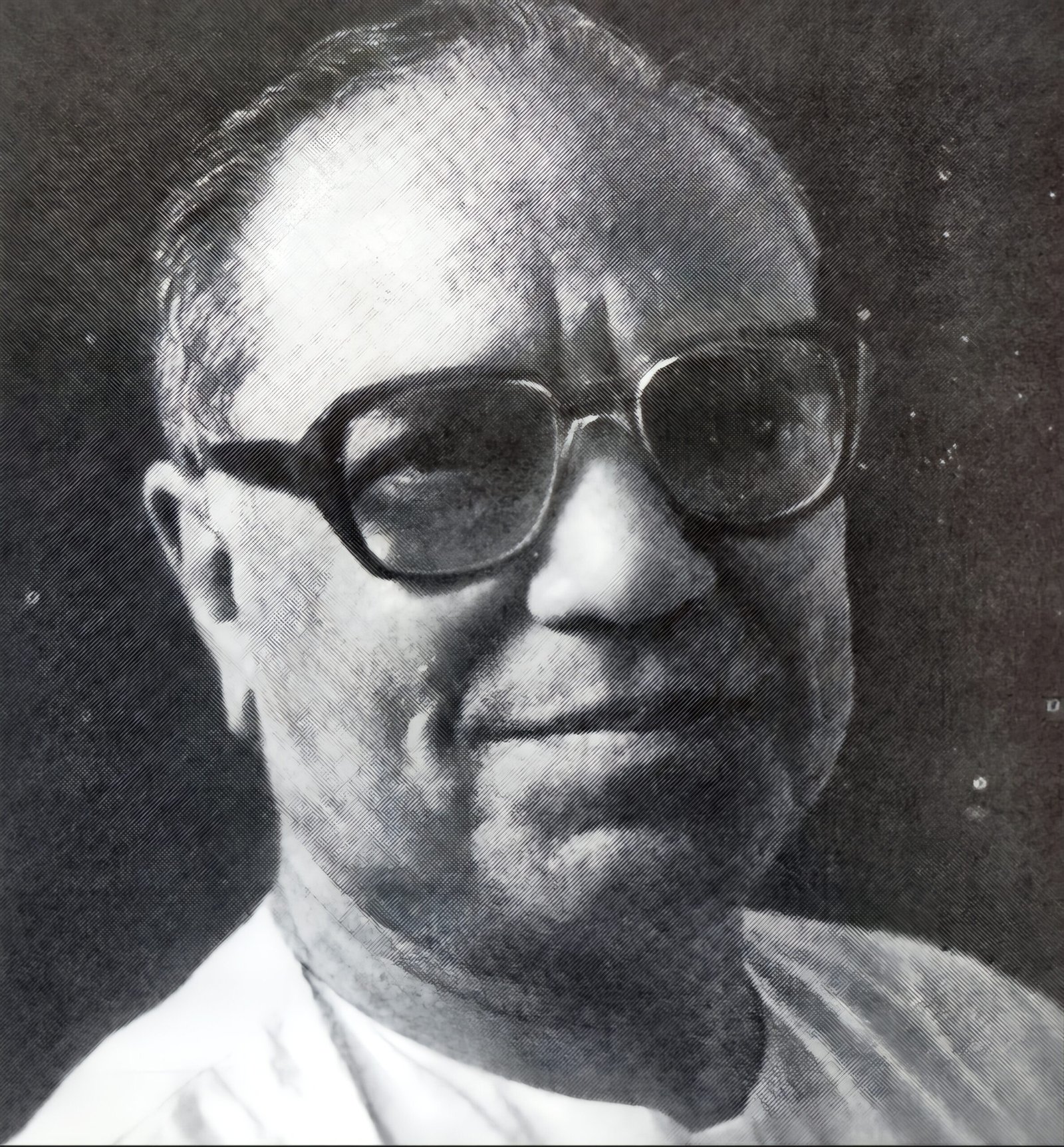
Krishibhushan Shri. P.S. Thakur

Shri Thakur Saheb was born on May 24, 1921, in Jabalpur. After earning a degree in agriculture from Nagpur University, he began his career in the Agriculture Department of Madhya Pradesh and was later appointed to the Agriculture Department of Maharashtra. He remains a shining example of what a dedicated government officer can achieve within public service. Through tireless efforts, he transformed the agricultural landscape of Sangli district by introducing grape cultivation to a drought-prone region and turning it into a thriving cash crop zone.
krushibhushan p s thakur
He extensively toured selected orchards across Maharashtra and, alongside horticulturist Late Gopal Krishnan, organized regular tours, seminars, demonstrations, and exhibitions to promote grape farming. He played a pivotal role in simplifying grape cultivation techniques and making them accessible to farmers. He facilitated the doorstep delivery of high-quality grape cuttings and introduced modifications in trellis systems to reduce costs. Working with Late Vasantrao Arve, Shri Ganpatrao Mhetre, and Shri Bhagwan Pawar, he also conducted research on the use of Gibberellic Acid on the Thompson Seedless variety. His deep self-confidence, analytical ability, hardworking spirit, patience, and scholarly approach significantly influenced his work. In recognition of his outstanding contributions, the Maharashtra Government honoured him with the ‘Krishibhushan’ award in 1987.
krushibhushan vijayraj bramhecha

Krishibhushan Late Vijayraj Brahmecha

Vijayrajji lived a life that reflected the ideals of Aryan culture, serving as an inspiring example for society. Exceptionally intelligent and deeply committed, he entered the field of agriculture around 1942 under very difficult circumstances. With unwavering effort and a scientific mindset, he introduced innovative practices in grape farming and rose to remarkable success. His achievements were built on three core principles: integrity, experimentation, and perseverance. Known for his dignified yet humble personality, he remained free from addictions and lived with self-respect and moral discipline.

His contributions during association seminars and executive meetings were consistently insightful and highly valued. He also held positions in several state and national-level institutions.One of his most impactful contributions was the Sub-cane technique developed at Brahmecha Farm, which continues to benefit grape growers across the state. In the 1994 and 1995 seasons, he set a state record for grape exports at an individual level. In recognition of his contributions, the Maharashtra Government awarded him the ‘Krishibhushan’ in 1993, and he received a special award from the Late Vasantrao Naik Pratishthan in 1994. Vijayrajji played a key role in the establishment and growth of the Maharashtra Rajya Draksha Bagaitdar Sangh (MRDBS), always placing collective welfare above personal gain.

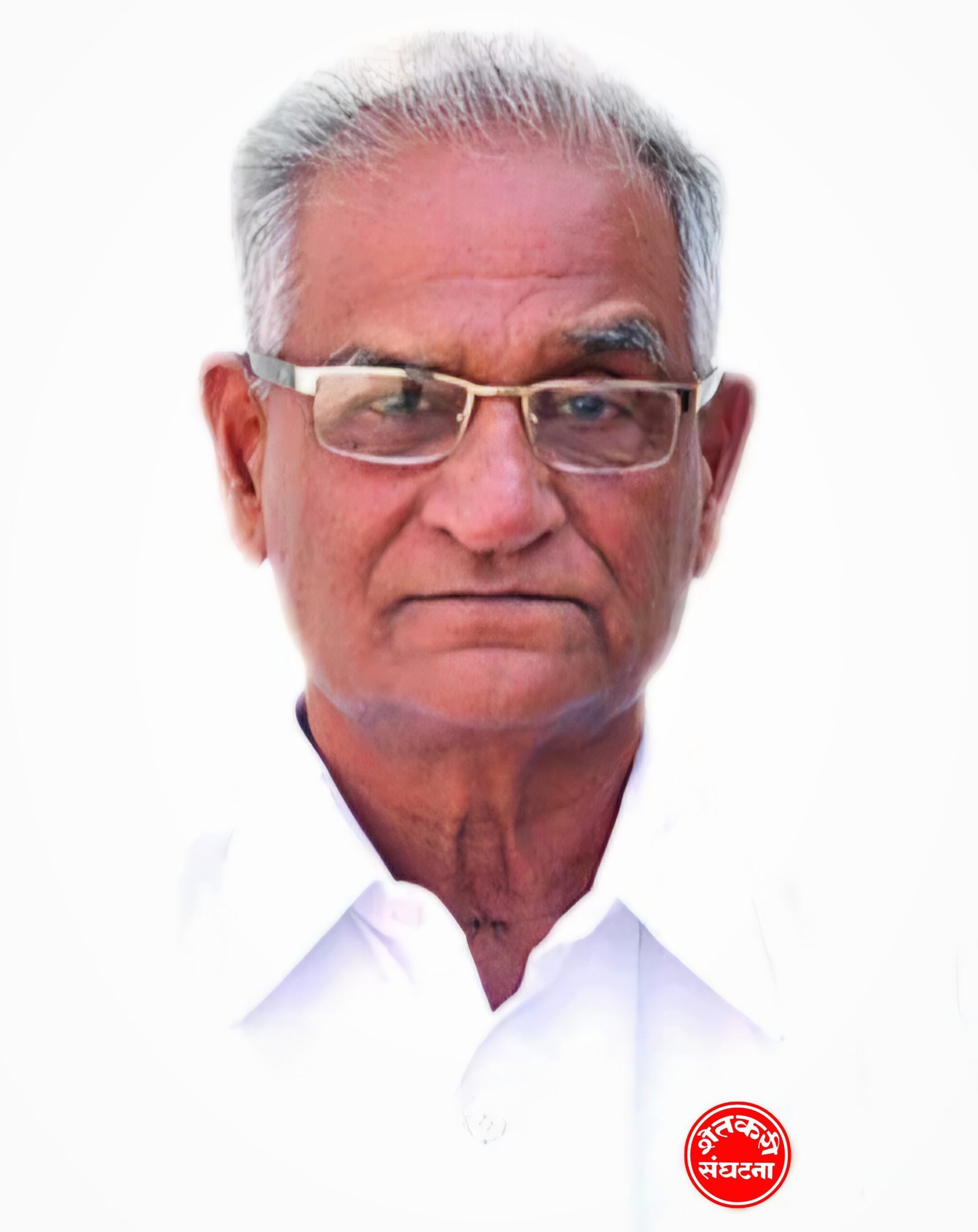
Late Madhavrao Khanderao More

To ensure that agricultural produce fetched prices aligned with production costs, Shri Madhavrao established the Shetkari Sanghatna (Farmers' Organization) in Maharashtra around 1980. He travelled extensively across the state to mobilize support, receiving significant backing from Shri Sharad Joshi. Firm in his belief that grape cultivation could transform the economic condition of farmers, he played a vital role in motivating them to adopt grape farming.
madhavrao khanderao more
Foreseeing the future challenges grape growers might face without a processing industry, Shri More Saheb took a pioneering step by establishing India’s first cooperative winery near Pimpalgaon Baswant in 1985. To prepare for this venture, he visited several countries to study winery operations and imported select wine grape varieties from France. In 1989–90, he successfully produced high-quality wine, proving that Indian grapes could compete globally in wine production. Understanding the potential of grape exports to Europe, and with support from the then Chief Minister of Maharashtra, Shri Pawar Saheb, he helped develop a statewide network of cold storage facilities. Committed to strengthening the wine industry, he was instrumental in pushing for the Maharashtra Wine Policy of 2009. This policy enabled district-level licensing, recognized wineries as small-scale industries, and waived excise duties, resulting in a significant increase in winery establishments. Despite the industry’s current challenges, Shri More Saheb remains dedicated to its growth and continues to pursue practical solutions with unwavering determination.
krushibhushan sadubhau v patil

Krishibhushan K. Sadubhau Vishnu Patil

Sadubhau was born in Rethare Khurd, Karad Taluka. Though he studied only up to the 11th grade, under his father’s guidance, he developed a keen interest in agricultural advancements. For three to four years, he diligently studied international farming magazines in English, through which he gained valuable insights and knowledge about modern agricultural practices and technologies. At a time when there were no cold storage facilities available for grapes, transporting this perishable fruit to Mumbai and other distant markets posed a significant challenge.

Sadubhau played a crucial role in addressing this issue by offering effective guidance on packing and transportation methods. To preserve the freshness of grapes, he recommended using thermocol insulation to regulate temperature. In 1983, he visited California and other parts of the USA, where he studied precooling units and cold storage systems. Upon his return, he pioneered the introduction of precooling units and cold storage technology in Maharashtra. Recognizing India’s potential in raisin production, he promoted the use of solar energy for drying grapes and collaborated with Shri Bhagwanrao Pawar (Advocate), Shri Baburao Kotecha, Shri Vasantrao Arve, and Shri Ganpatrao Mhetre to provide technical guidance for raisin making. Vasantrao Arve often consulted Sadubhau on complex technical issues. He was also actively involved with the ‘Vaigyanik Drakshakul’ initiative. Beyond agriculture, Sadubhau participated in the Goa, Daman, and Diu liberation movement. His contributions were recognized with the ‘Shetinistha’ (Dedicated Farmer) award in 1969 and the ‘Krishibhushan’ award by the government in 1983.

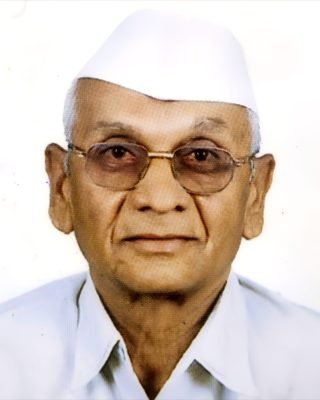
Shri. Shriram Punjaji Dhokre

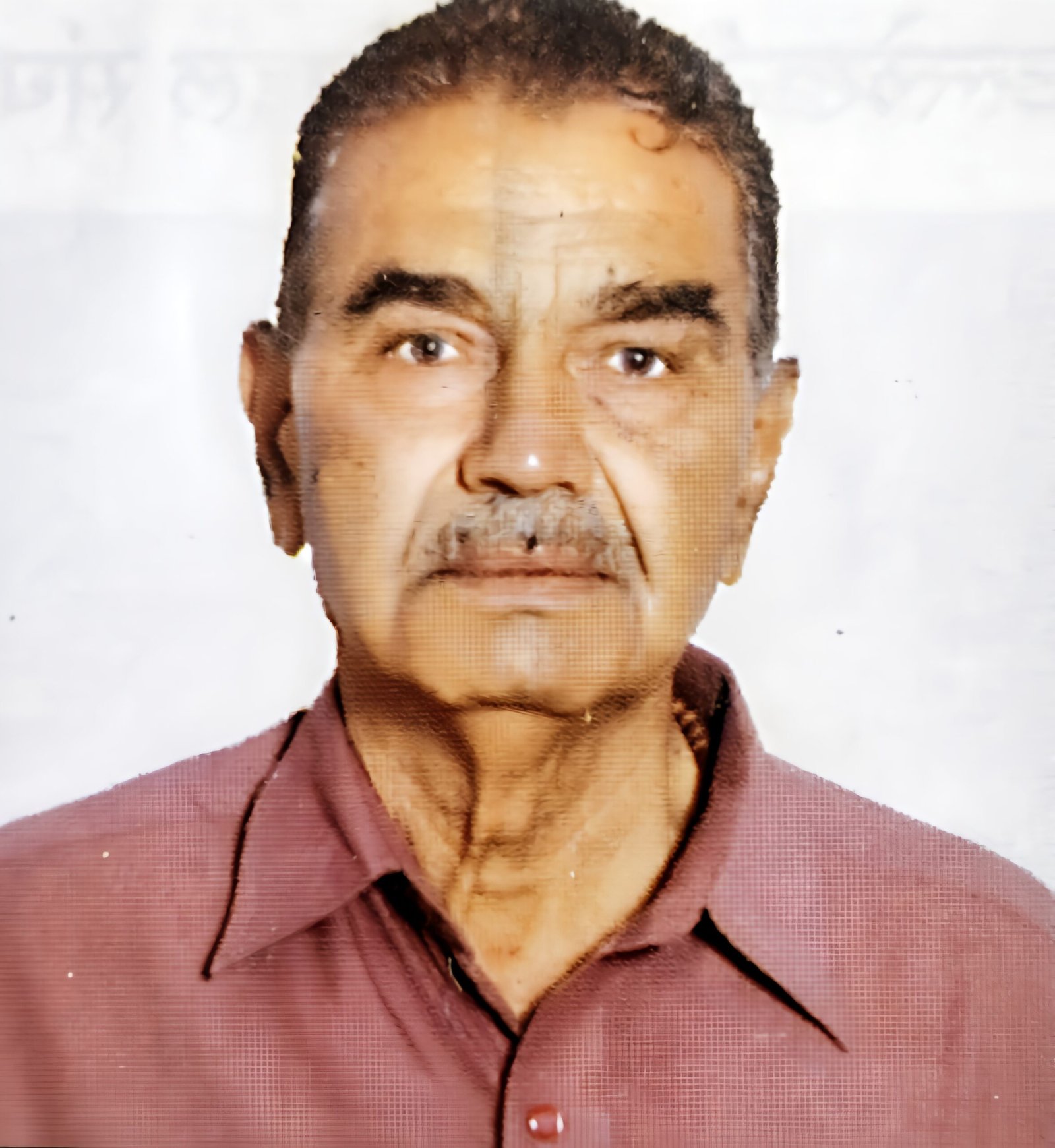
Shriram Dhokre, a grape grower from Khadgaon in Dindori Taluka, is a remarkable example of how determination and perseverance can overcome adversity. Due to his family's financial circumstances and limited access to education, he studied only up to the seventh grade. Yet, his knowledge of grape farming rivals that of any agricultural graduate. Driven by an insatiable curiosity and passion for farming, he travelled across Maharashtra to visit progressive grape growers, studied their orchards, and applied the insights he gained to establish his own half-acre vineyard. He began with cuttings of the Anab-e-Shahi variety alongside the traditional Bhoopali grapes.
shriram punjaji dhokare
In what was considered a bold move at the time, he defied conventional methods by planting grapes at a spacing of 10×20 feet instead of the standard 20×20 feet. In 1960, he was also among the first to use Blitox to combat downy and powdery mildew, setting a precedent for modern disease control in the region. Both innovations proved successful and were soon adopted by others. Always eager to try new methods, he replaced the traditional “pagara” system for training grapevines with iron angles and introduced the use of a Gator pump for spraying. Shriram Dhokre was the first to cultivate the Thompson Seedless variety in Dindori Taluka. Once its benefits became evident, it was widely adopted by other farmers. He was also quick to move away from traditional remedies like copper sulfate and lime, instead embracing modern fungicides and crop protection techniques. For over five decades, he has remained deeply engaged in grape cultivation. Despite numerous challenges, he continues to pursue his passion with unwavering commitment. Today, he is celebrated as a progressive and pioneering grape farmer in the region.
bhimrao gopal bhujbal

Dr. Bhimrao Gopal Bhujbal

Born into a farming family in Chincholi, Taluka and District Ahmednagar, Dr. Bhimrao Gopal Bhujbal pursued his education in agricultural science step by step, driven by a deep interest in farming and a naturally curious mindset. His academic journey culminated in a Ph.D. in agriculture. He began his career as an Agricultural Officer in the Maharashtra State Agriculture Department and, from 1970 onwards, served at Mahatma Phule Krishi Vidyapeeth. There, he rose through the ranks from Assistant Professor to Principal.

Even after retirement, his passion for agriculture remained
undiminished. He went on to serve as Principal at A.B.M. College in Narayangaon for five to six
years and is currently working as a Coordinator at Krishi Vigyan Kendra, Narayangaon.
During his tenure at the Agricultural University, Dr. Bhujbal conducted extensive research, training,
and outreach at institutions such as the Grape Research Centers in Pimpalgaon and Rahuri, the
Fruit Research Center in Ganeshkhind, Pune, and the Maharashtra State Grape Growers’
Association in Pune. While associated with the MRDBS, he played a pivotal role in conceiving and
managing the editorial responsibilities of the magazine *Drakshavritta*.
To deepen his understanding of advanced global viticulture practices, Dr. Bhujbal visited countries
like France, Italy, Spain, and England, where he engaged with leading grape researchers. He also
produced educational programs on grape farming for Doordarshan and Akashvani and authored
numerous articles and seven books on viticulture. His fieldwork included conducting rootstock trials
across Maharashtra’s four agro-climatic zones and developing a simplified grafting method for
Dogridge rootstock. He was instrumental in promoting an integrated approach to grape production
involving Gibberellic Acid (G.A.) application, pruning, and girdling. For his contributions, he was
honored with the Vasantrao Naik Award, along with recognition from the Maharashtra Government,
the International Grape and Wine Council, MRDBS, and several other institutions.

Shri. Bhagwanrao Pawar

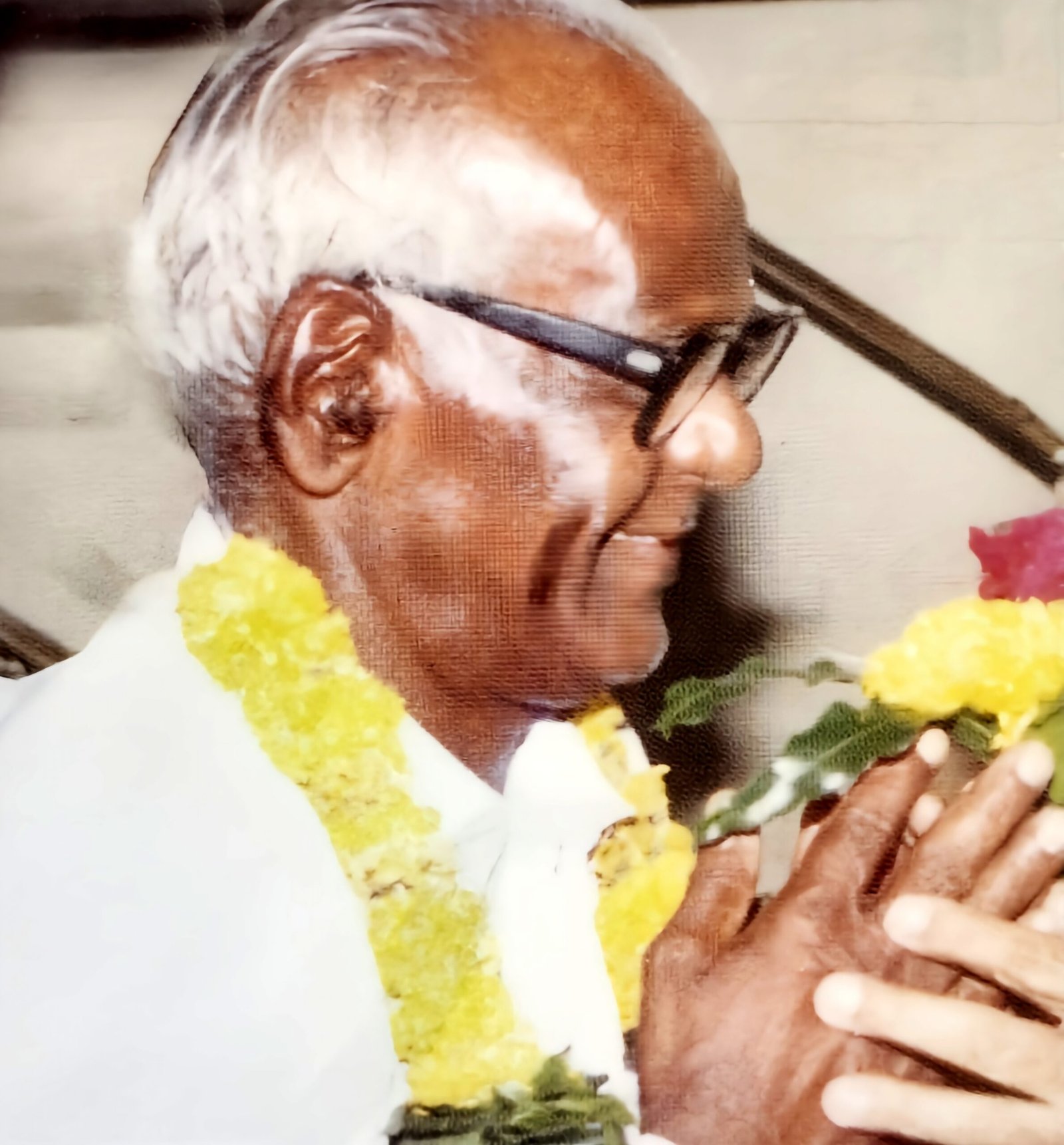
Shri Pawar, an agriculture graduate by education and a practicing lawyer in Vita, combined his academic background with his professional life to explore opportunities in farming. Motivated by the goal of enhancing farm income, he began cultivating Thompson Seedless grapes. At the time, grape cultivation was rare due to its high initial investment and the risks associated with marketing a highly perishable crop, which discouraged most farmers from taking it up.
bhagwanrao pawar
Bhagwanrao Pawar shared a close association with Late Ganpatrao Mhetre and Late Vasantrao Arve, with whom he frequently discussed grape cultivation techniques and challenges. His success in grape farming—despite the odds—inspired many farmers in the Tasgaon and Khanapur talukas. Observing his progress, growers in surrounding villages also adopted grape cultivation. This shift led to a significant expansion in grape farming across the region and contributed to improving the economic conditions of the local farming community.

Former Presidents

annasaheb shembekar

Late Dattatray Ganesh alias Annasaheb Shembekar
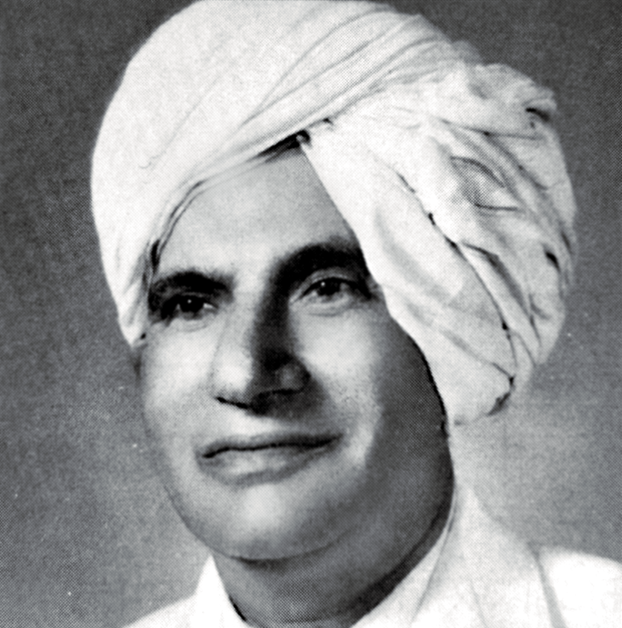
Inspired by the vision of Late Vasantrao Naik, guided by Dr. Gopalakrishnan, and supported by notable figures such as Late Raosaheb Borawake, Abasaheb Borawake, Late Annasaheb Chinchinikar, and Late K.P. Deshmukh, he founded the Maharashtra Rajya Draksha Bagaitdar Sangh (MRDBS) in 1960. Late Annasaheb Shembekar was elected as the first president of the organization, marking the beginning of a structured effort to support grape growers across the state. Under Annasaheb’s leadership, the MRDBS’s constitution and regulatory framework were meticulously drafted. The thoughtful inclusion of specific rules and provisions reflected his deep insight into grape cultivation, the needs of growers, and the workings of the association. He also served as the treasurer of the MRDBS for a period. In addition to his administrative contributions, Annasaheb cultivated new grape varieties in his own orchard, distributed them among fellow growers, and offered valuable guidance to help improve their practices.
borvake

Late Raobahadur alias Narayanrao Sopanrao Borawake
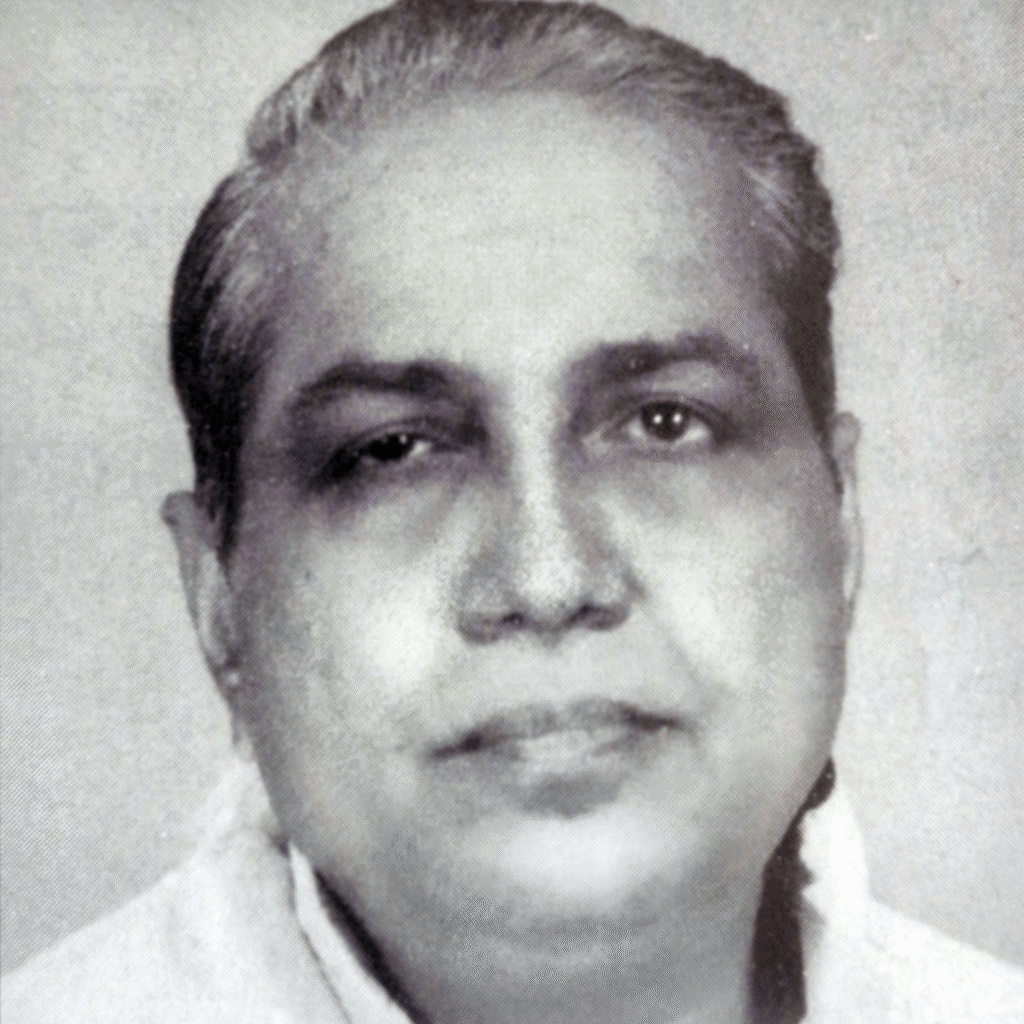
Late Narayanrao Borawake was born on October 9, 1892, in Saswad village near Pune, into a humble farming family. Due to financial constraints, his formal education extended only up to the sixth grade. He began his journey in agriculture by leasing land for farming in the Baramati- Nimbood region and later expanded his work to Rahata, Shirdi, and Kopargaon in the Ahmednagar district. He gained considerable recognition in sugarcane farming and introduced several innovations in jaggery production. His efforts were instrumental in the establishment of the Saswad Mali Sugar Factory. In addition to agriculture, he played an active and influential role in the field of education. Narayanrao Borawake was closely involved in the founding and early development of the MRDBS. His guidance on various aspects of grape cultivation—such as the introduction of new grape varieties, trellis systems, and marketing strategies—proved invaluable. In his own vineyard, he cultivated twelve different grape varieties, including Bhoopali, Selection 7, Anab-e-Shahi, Bangalore Purple, and other black and blue varieties, which he also shared with fellow growers. He developed and implemented several trellis systems, including the Niphan, Telephone, and Bower systems, and contributed to grape sales management practices. From 1963 to 1966, he served as President of the MRDBS, making notable contributions during his tenure. He also held leadership positions in other key organisations, including the All India Grape Growers’ Council and the Maharashtra Progressive Farmers’ Association.
dattatray kanchan 2

Late Dattatray alias Annasaheb Kanchan
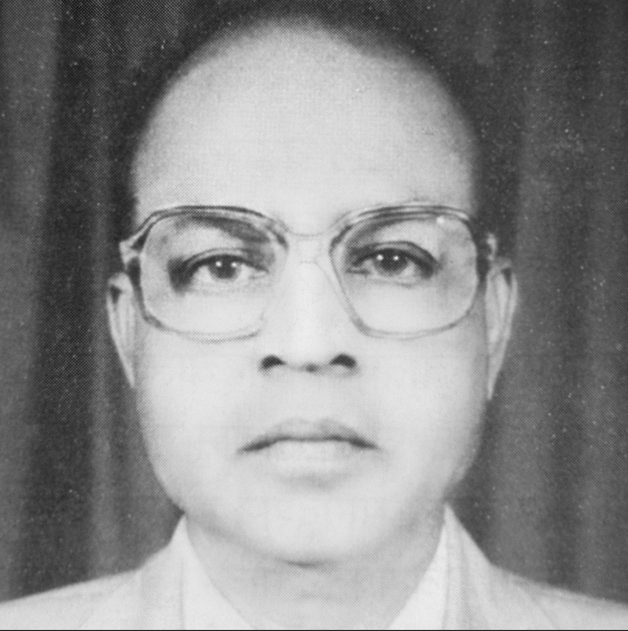
His grape orchard was located in Uruli Kanchan near Pune. Annasaheb found great joy in tending to his vineyard and spending time at the Nature Cure Ashram. A true Gandhian in thought and lifestyle, he was known for his simplicity, soft-spoken nature, and exemplary character. Late Annasaheb served as President of the MRDBS from 1974 to 1978. His voice held significant influence in government circles. He played a key role in promoting the use of gibberellic acid (G.A.) in grape farming by organising demonstrations at various locations across the state. He also introduced a proposal for holding executive committee elections every three years, ensuring a more democratic and transparent governance structure within the association. In addition, he made noteworthy efforts to organise seminars on grape nutrition in multiple regions, helping to spread essential knowledge to grape growers.
jayvantrao gaikwad

Shri. Jaywantrao Gaikwad

Jaywantrao’s reputation as a distinguished grape grower extended far beyond Nashik, earning him recognition across Maharashtra. Known for his charming personality, sharp wit, and appreciation for artistic talent, he was also highly studious, analytical, and disciplined. His deep passion for grape cultivation helped him build lasting friendships, and his keen observational skills set him apart. Whether at home, in meetings, at public gatherings, on tours, or even abroad, his thoughts consistently returned to his vineyards in Ozar. Despite managing numerous responsibilities, activities, and challenges, he handled everything with grace and a cheerful manner. As a result, his orchards and grapevines were always exceptionally well cared for. Jaywantrao possessed the rare ability to persuade others with a clever glint in his eye and natural charm. His straightforwardness, though candid, never came across as harsh; instead, his words carried the same sweetness as the grapes he grew. From 1978 to 1981, he served as President of the MRDBS. During his tenure, he played a pivotal role in launching Drakshavritta, the association’s monthly magazine. He also worked diligently to secure income tax and wealth tax exemptions for the organisation. Additionally, the Solapur branch of the MRDBS was established under his leadership.
appasaheb bankar

Late Bhalchandra alias Appasaheb Bankar
Late Appasaheb carried forward the legacy of social service inherited from his father. Following his father’s passing, he was compelled to discontinue his Intermediate Science studies due to family responsibilities. Around 1960, he took a bold step by venturing into grape cultivation, sparking a quiet revolution in agriculture. Through the adoption of modern farming techniques and constant experimentation in his vineyard—despite facing considerable hardship—he proved that grape farming could be a viable and profitable enterprise. Appasaheb’s fearless spirit, unwavering dedication, and deep knowledge of viticulture ensured that he never backed down in the face of challenges. Alongside his agricultural pursuits, he remained deeply aware of his social responsibilities. This commitment led to the founding of the Gramonnati Mandal, through which a school was established for the community. His contribution to grape growers through the Maharashtra State Grape Growers’ Association (MRDBS) was both significant and lasting. With intellectual acumen and visionary leadership, he served as President of the MRDBS from 1981 to 1984, introducing fresh ideas and strategic direction. He also championed the creation of a national-level body for grape cultivators. With the support of late Anna Arve, late Dattaji Kanchan, and other associates, he helped establish the All India Grape Growers’ Association and became its founding president. In addition, he briefly held the role of Treasurer at MRDBS, where he focused on enhancing the association’s financial stability. Appasaheb also played a pivotal role in setting up a winery at Narayangaon for the production of grape-based alcohol. He served as the Resident Director of Champagne India, Narayangaon, contributing significantly to the region’s agri-industrial development.
tatyasaheb dabade processed

Mr. Tryambakrao alias Tatyasaheb Dabade
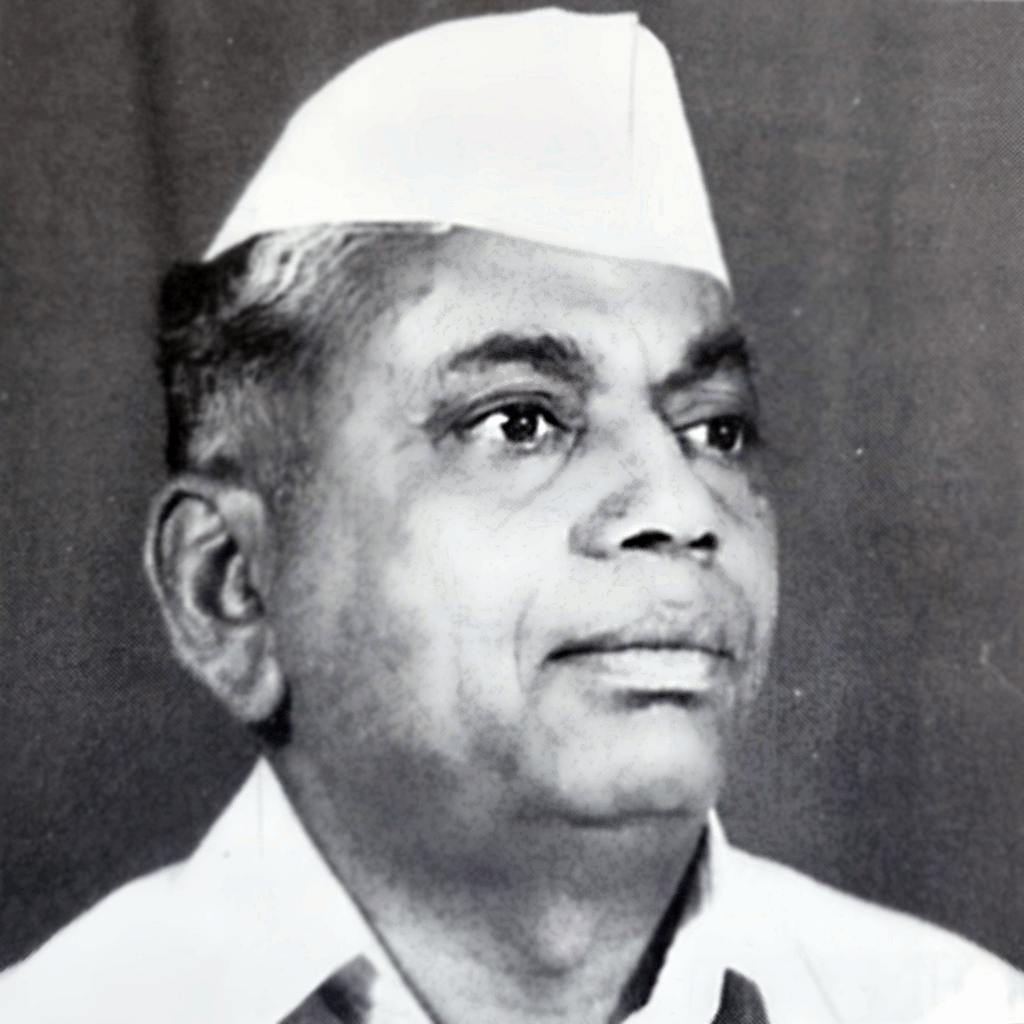
Mr. Tryambakrao Dabade, affectionately known as Tatyasaheb Dabade, was a prominent grape grower from Nannaj in Solapur district—a region widely known for its arid and drought-prone conditions. Despite his tough and stern exterior, he had a deep emotional connection to grape cultivation, which would become evident whenever the subject arose. He was instrumental in identifying and introducing the Manik Chaman grape variety, which went on to gain widespread popularity. His unwavering commitment to public welfare was the driving force behind all his initiatives. One of his most notable contributions was the promotion and expansion of grape cultivation in drought-affected areas. From 1984 to 1988, Tatyasaheb served as the President of the Maharashtra Rajya Draksha Bagayatdar Sangh (MRDBS). During his tenure, he played a key role in the installation of solarpowered grape drying units in the Nashik and Sangli regions. He also facilitated the import of eight new grape varieties from Australia, introducing innovation and diversity to Indian viticulture. Tatyasaheb Dabade’s enduring legacy lies in his visionary efforts to transform grape farming in water-scarce regions, leaving a lasting impact on the agricultural community.
rangnath mama kahapre

Mr. Ranganath Khapre, also known as Mama
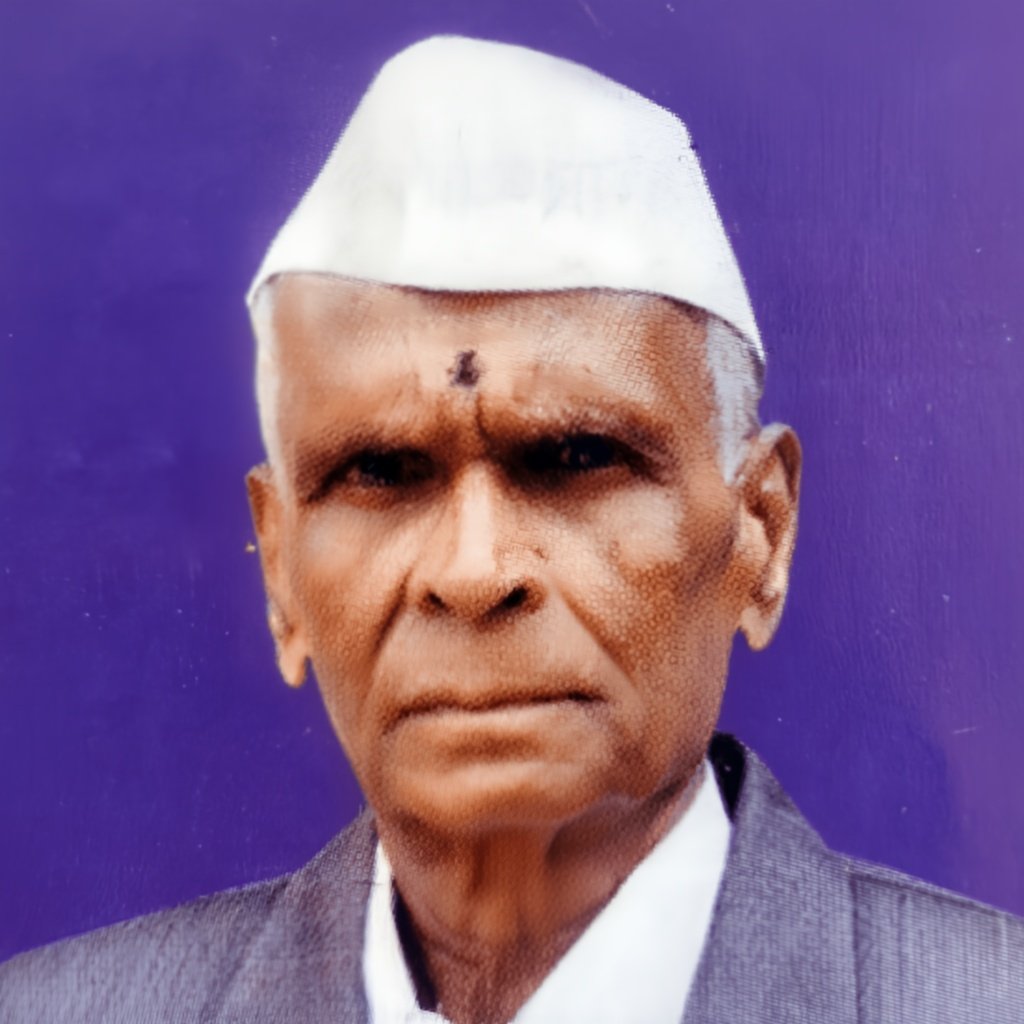
The name Mama (Maternal Uncle) instantly brought to mind the village of Ugaon, Taluka Niphad, District Nashik. “Mama” was a term of deep familial affection—like a beloved uncle. He had an innate wisdom about how to understand and manage people. Clad in a simple outfit of *dhoti* and shirt, when Mama strolled through the vineyard and examined the full, plump grape clusters, he would be so absorbed that he seemed to forget himself—body, mind, and soul. Mama often insisted that grape-related issues must be studied thoroughly. Young professors and scientists would be deeply impressed by his insight and foresight in grape cultivation. Though Ugaon was a remote and inconvenient village, Mama would always extend a warm welcome and inquire sincerely about every visitor. He undertook the challenging task of introducing organic farming practices into grape cultivation. He showed abundant affection to researchers and grape scientists. From 1988 to 1991, Mama served as President of the MRDBS. One of his significant contributions was securing 19 acres of land from the Maharashtra government for the MRDBS’s Grape Research and Development Centre at Manjri Farm. He also lobbied the state government to establish the National Grape Research Centre in Pune. He made dedicated efforts to upgrade the laboratory at the MRDBS’s Manjri Farm.
namdeo mane 2 processed

Mr. Namdev Keshavrao Mane

Due to modest family circumstances, Mr. Mane completed his education only up to the 10th grade and continued to struggle against challenges. His strong desire to enter grape cultivation was realised in 1971. With an inquisitive nature and the guidance of personalities like Prof. Dabhalkar and the late Vasantrao Arve, he conducted many experiments in grape farming, tested the results, and followed up on them. These findings have proven beneficial to many grape growers across Maharashtra. His work was not limited to grapes—he also began collecting mango varieties and initiated mango grafting. In drought-prone regions like Sangli and Solapur, to save vineyards during dry spells, he proposed the idea of water tanks as an alternative to tankers in 1985. He introduced the nowpopular method of grafting in grape cultivation. To study grape and mango farming in depth, he visited countries such as Australia, Israel, Egypt, Europe, and the United States. Since 1973, he has served continuously as a Director of the Maharashtra State Grape Growers’ Association. From 1991 to 1994, during his tenure as President of the Association, he rendered invaluable service. He organized practical demonstrations on raisin (bedana) processing to spread this knowledge among ordinary grape growers. He also worked tirelessly to get the sales tax on raisins repealed—and succeeded.
kandan

Krishiratna Shri Sopanrao Sakharam Kandan
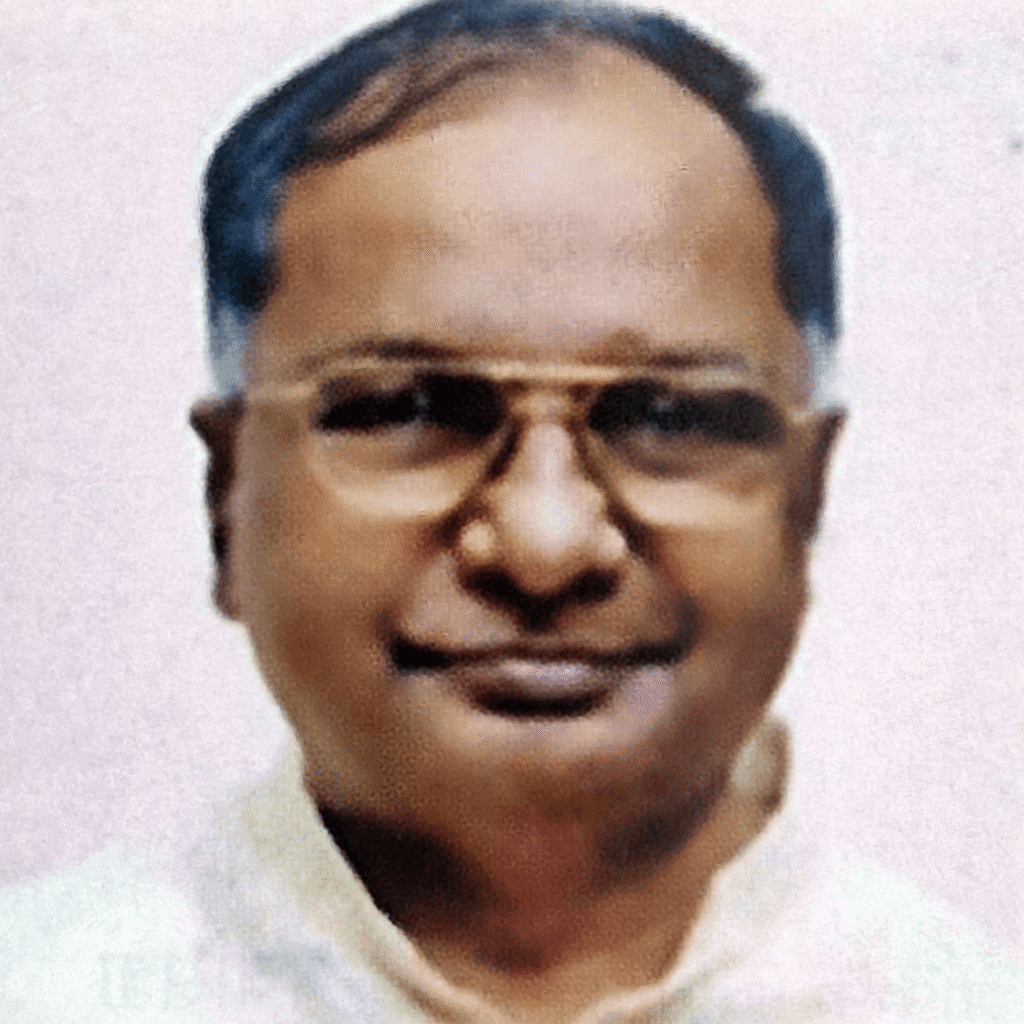
Shri Sopanrao Kanchan is a highly intelligent, capable, and successful grape cultivator of the new generation. He earned his B.Sc. (Agriculture) degree in 1973 from Mahatma Phule Agricultural University, Rahuri. Additionally, in 1977–78, he obtained an M.A.S.T. degree from the University of Minnesota, USA. With a scientific mindset and a researcher’s spirit, he carried out numerous innovative experiments in his own vineyard, setting new benchmarks in grape farming. His pleasant and generous personality, excellent oratory skills, composed nature, and scholarly approach have earned him recognition not only in Maharashtra but also at the national level. His guidance is particularly valuable during seminars and executive meetings of the Association. Shri Sopanrao Kanchan was the President of the Grape Growers Federation of India and held positions such as president, member, or director in several national-level organisations. He has served for many years as a director of the MRDBS and was its President from 1993 to 1997. During this period, he made special efforts to promote the export of Indian grapes to European markets. Through the training he received at the University of Minnesota, he developed a far-sighted understanding of how to adapt global advances and technologies in fruit farming to Indian climatic conditions. He effectively implemented these insights in Indian grape cultivation. In addition to grapes, he has worked to bring modern technologies to farmers for other fruits such as pomegranate, custard apple, guava, and various berry fruits. He has also consistently worked toward the development of the dairy industry, fruit grading, and fruit processing by promoting and adopting advanced technologies. Shri Kanchan has been instrumental in setting up a network of cold storage facilities with the help of the Mahagrapes Cooperative Marketing Committee to support the export of grapes, other fruits, and vegetables. To ensure that farmers receive the necessary knowledge for exports, training programs are being conducted. Shri Kanchan has also taken up policy advocacy through national-level agricultural universities, research institutes, and centres to resolve the challenges faced in exporting quality produce. He has visited countries such as the USA, UK, Chile, Germany, France, Hungary, Italy, Switzerland, Australia, and Israel to study the application of globally advanced agricultural technologies in the Indian context. For his significant contributions, the Government of Maharashtra honoured him with the ‘Krushibhushan’ award in 1997–98 and the ‘Krishiratna’ award in 2006—the highest state recognition for agriculture. He has also received numerous accolades at the state and national levels, including Vasantrao Naik Award, IMM Award, FIE Foundation Award, Jagjivan Ram Kisan Award, APEDA Export Award. These honours are a testament to Shri Sopanrao Kanchan’s outstanding service and dedication to agriculture. Here is the translated and refined version of your draft in English, organized into clear paragraphs for each individual
balasaheb ghongade

Late Balasaheb Tatyasaheb Ghongade

Born on 1st September 1945 into the distinguished Ghongade family, Late Balasaheb Ghongade was raised under the exceptional guidance and high moral values of Late Tatyasaheb Ghongade. He completed his secondary education in Panchgani and later earned a B.A. degree from S.P. College, Pune. With a legacy rooted in politics, Balasaheb entered municipal politics and served as a corporator for an impressive 19 consecutive years, eventually being appointed Deputy Mayor. He used this position selflessly for public welfare. Influenced by the company of renowned personalities such as Late Vasantrao Arve, Mr. Tryambakrao Dabade, Late Dabholkar Sir, Late Ganpatrao Mhetre, and Mr. Vibhakar Patil, Balasaheb developed a strong interest in agriculture, particularly grape cultivation. He was the first to cultivate the “Tas-A-Ganesh” grape variety in Solapur district, achieving a record yield of 14 tonnes per acre in the first year itself. His efforts inspired many farmers, and he generously shared his knowledge to promote grape farming. In 1982, to support grape growers in and around Solapur, a branch of the Maharashtra Rajya Draksha Bagaitdar Sangh (MRDBS) was established in Solapur, and Balasaheb was appointed its first divisional president. Determined to provide proper infrastructure, he, along with the help of Late Baburao Chakote, acquired land in the market yard and constructed the “Draksha Bhavan” building within five years. He served as divisional president until 1994. During the Latur- Osmanabad earthquake in 1993, he actively helped grape farmers by distributing medicines and growth regulators to keep vineyards alive. From 1994 to 1997, he served as Vice President of MRDBS and later as President from 1997 to 2000. During his presidency, he ensured the availability of affordable and high-quality Chinese growth regulators and imported Australian anti-stress products to help grape orchards survive severe drought conditions. He also modernised the central laboratory by relocating it to a wellequipped facility at Manjari Farm and played a key role in establishing a research centre in Pune, significantly contributing to scientific grape research. Balasaheb was known for his calm and amiable nature and dedicated his entire life to the welfare of farmers and society.
deorao mogal

Mr. Deoram Baburao Mogal

Originally from Sukene, Taluka Niphad, District Nashik, Mr. Deoram Mogal is a postgraduate in agriculture (M.Sc. Horticulture). As the head of the grape research centre at Pimpalgaon Baswant, his expertise greatly benefited the MRDBS during his tenure as President from 2000 to 2003. Through laboratory support and grape seminars, he made significant contributions to educating grape growers. Due to his good rapport with Mahatma Phule Krishi Vidyapeeth, he secured substantial support for the MRDBS. He effectively managed the distribution of key agricultural inputs such as gibberellic acid (GA) and CPPU. He also promoted export-quality grape production and awareness about Europe GAP standards. Furthermore, he raised awareness about the potential of grapes for wine production and worked towards initiating training programs on grape cultivation. He launched discussion sessions in every region before pruning seasons in April and October. The MRDBS, under his leadership, successfully propagated the “2-O clone” grape variety and made it available to members at affordable prices. He also played a major role in establishing Nashik’s reputation as a premium grape-producing region.
jagannath mhaske

Mr. Jagjath Pandurang Mhaske (Bapu)

Born with a political legacy, Mr. Jagjath Mhaske, fondly known as Bapu, began organising youth at the age of 17 and established the “New Tarun Mandal.” Due to limited educational facilities in his village, he studied up to the 11th grade. His deep involvement in social work and energetic personality led him to serve as the Sarpanch of Nimani village for 35 years, leaving a significant mark. He facilitated the establishment of a high school in the village, tackled water scarcity through the Prakash Lift Irrigation Scheme’, and contributed to opening a bank branch, gymnasium, and a cooperative society, transforming it into a model society. He briefly served as a director at Tasgaon Taluka Sugar Factory and later rose from director to president of Sangli District Cooperative Bank, earning it widespread recognition. Despite challenges, he successfully pursued grape cultivation, achieving notable yields, and became a role model for fellow farmers. In recognition of his contributions, he was honoured with the ‘Shetinishtha’ award in 1991 and the ‘Vasantrao Naik Award’ by the Maharashtra Government in 2005. Bapu served as Vice President of MRDBS from 2000 to 2003 and as President from 2003 to 2006. During his tenure, he facilitated the distribution of organic pesticides and fungicides through MRDBS and secured government aid to revive drought-affected vineyards in Maharashtra. He played a key role in organising the international conference on “Grape Cultivation and Processing” held in Baramati in 2006. He also served as a member of the central government’s FICCI body and as Vice President of the All India Wine Producers Association.
khilari

Dr. Jayram Maruti Khilari

Dr. Khilari holds a Ph.D. in Agricultural Chemistry and Soil Science, with his research focusing on the advanced grape variety ‘Pink Berry’. He has developed deep expertise in the use of biostimulants and micronutrients, gaining recognition as a distinguished grape researcher not only in Maharashtra but also at the national level. Over the past 35 years, he has dedicated himself to studying, researching, and developing grape cultivation techniques in Maharashtra. His passion for grape farming has helped bridge the gap between traditional viticulture and modern scientific methods. He has visited countless vineyards and provided guidance to numerous grape growers, in addition to publishing over 200 articles in newspapers and magazines. Through participation in national and international conferences, seminars, workshops, and panel discussions, he has played a vital role in raising awareness among grape producers. To study advanced global viticulture technologies, he has visited countries like Australia, the USA, the UK, France, and Germany. As President of the Maharashtra Rajya Draksha Bagaitdar Sangh (MRDBS) from 2007 to 2009, Dr. Khilari made significant contributions, including the import of three table grape varieties from California with financial assistance from the National Horticulture Mission (NHM). He also secured NHM funding of ₹10 lakhs for upgrading the tissue testing laboratory at Manjri Farm. Under his leadership, the MRDBS ensured the import and regular distribution of reliable agrochemicals and bio-stimulants. He also played a key role in developing grape juice production technology. Dr. Khilari served as the lead scientist in a research project on ‘Pink Berry’ in collaboration with the National Chemical Laboratory, Pune. He was instrumental in upgrading the MRDBS laboratory and developing accurate fertilizer recommendations for grape growers. His outstanding work in viticulture has been recognised with several honours, including the prestigious ‘Draksha Mitra’ award, the Shivneri Agriculture Award, the Vasantrao Arve Agriculture Foundation Award, and the Sangram Gaurav Award.
mahendra shahir

Mahendra Shivmoorti Shahir

Mahendra Shahir, a mechanical engineer by qualification, chose a unique path by dedicating his life to the development of grape farming in Maharashtra. Hailing from a respected family in Solapur with a strong medical background—his father, the late Dr. Shashvamurti Shaheer, and brother, Dr. Shamsher Shaheer, being well-known doctors—Mahendra’s choice to pursue agriculture, especially grape cultivation, was unconventional. After beginning his journey in Asangaon, he quickly rose through the ranks due to his commitment and leadership. He served as President of the Solapur District Grape Growers’ Association for six years, then as State Vice President, and eventually became the State President and Treasurer. During his tenure, he led initiatives such as organizing a large-scale golden jubilee celebration, conducting a study tour to China, and inviting national scientists to share knowledge with farmers. He also launched several research projects and worked at the state level to improve grape marketing systems. Notably, he introduced an emergency relief fund for grape farmers affected by natural disasters. Mahendra Shaheer’s hands-on approach, innovative thinking, and commitment to the welfare of farmers significantly contributed to the growth and strength of the grape farming community in Maharashtra.
ashok gaikwad

Ashok Vishnupant Gaikwad

Ashokrao Vishnupant Gaikwad is a well-known and innovative grape farmer from the Pimpalgaon–Palkhed region. His deep passion for viticulture led him to serve as the Vice President (2009–2012) and later President (2012–2015) of the Maharashtra State Grape Growers Association. During his leadership, he promoted modern grape farming practices and mechanisation to benefit more farmers. He envisioned introducing patented grape varieties and took significant efforts to import and research new varieties, including Atom Royal and Atom Seedless from California. These were widely distributed to farmers during his tenure. Under his guidance, a 35-acre research farm was established at Talegaon Vani, where innovative experiments like bench grafting were initiated. To address climate-related challenges such as unseasonal rains, hailstorms, and pest outbreaks, he played a key role in launching the grape crop insurance scheme. He also lobbied for compensation from the government following severe damage caused by Leaf Hopper infestation in 2009–2010. Gaikwad was instrumental in securing 50% subsidies through government schemes like RKVY and PPP for farm mechanization. He consistently emphasized reducing hormone usage and improving the sweetness and edibility of grapes, making his speeches highly impactful and farmer-focused.
subhash arve

Subhash Dattatray Aarve

Subhash Arve, a resident of Borgaon, Taluka Tasgaon, District Sangli, is an accomplished horticulturist and
progressive grape farmer. Holding an M.Sc. (Agri) degree, he conducted research from 1977 to 1980 at
Shivaji University, Kolhapur, focusing on the Tas-A-Ganesh grape variety, which he helped to commercialise.
Since 1981, he has been promoting this variety, which is now exported both nationally and internationally. His
research also contributed to hybrid development at Punjab Agricultural University, Ludhiana.
He collaborated with noted agricultural scientist Dr. Shripad Dabholkar and worked extensively on techniques
like mandal (circular) planting systems and rootstock development. For his contributions, he was honoured
with the ‘Udyan Pandit’ award.
From 2015 to 2018, he served as the President of the Maharashtra State Grape Growers’ Association, Pune.
In 1990, he adopted Australian techniques for raisin production and began implementing grape qualitymonitoring
systems in 2007. He actively integrates new technologies and innovations in his vineyard,
becoming a model farmer in the region.His continuous experimentation and adoption of advanced methods
have inspired other farmers and significantly contributed to the development of the grape industry in
Maharashtra.
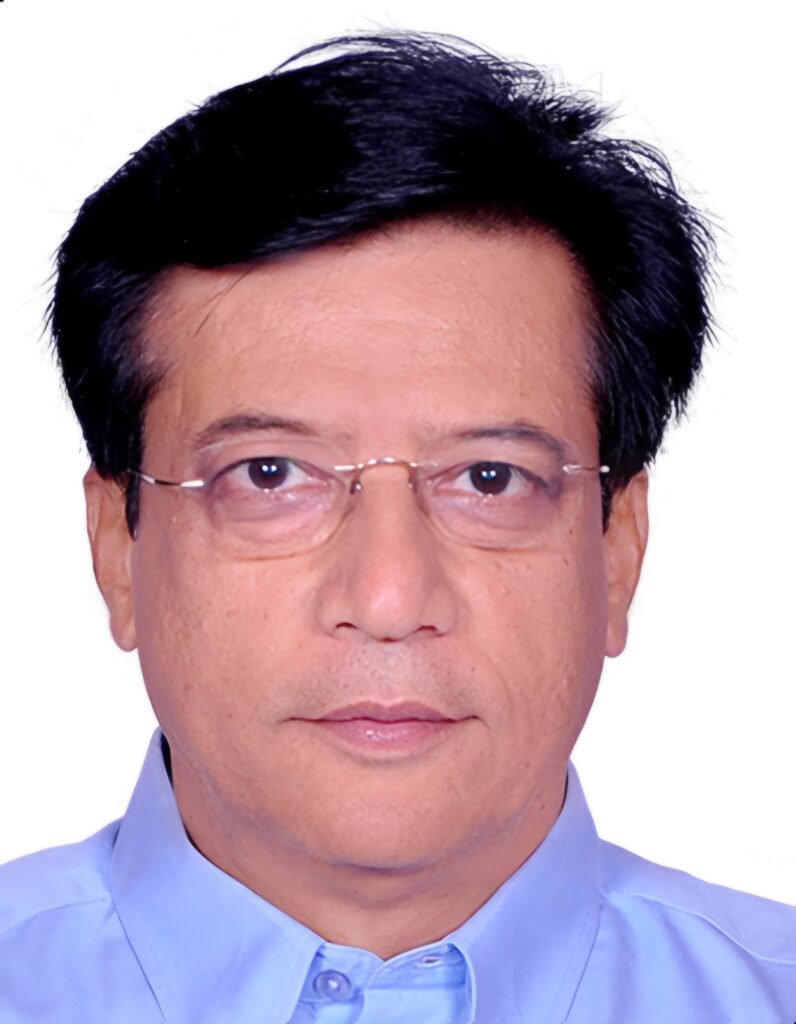
rajendra pawar

Rajendra Dinkarrao Pawar

Rajendra Pawar is a prominent agricultural leader and social worker, currently serving as the Chairman of Baramati Agro Ltd. and Agricultural Development Trust, Baramati. A former President of the Maharashtra State Grape Growers Association and Director of the National Abiotic Stress Management Institute, he has dedicated his career to uplifting farmers and rural communities. Under his leadership, Baramati Agro Ltd. has provided employment and income opportunities to thousands of families. Through the Agricultural Development Trust, he has focused on women empowerment via education. Over 8,000 girls from across Maharashtra receive education from pre-primary to postgraduate levels at the Trust’s institutions. Facilities include an Agricultural College, Science Park, Innovation Center, Pharmacy, B.Sc. Nursing, and Police Training programs. Pawar emphasises water conservation and regularly visits drought-prone villages to raise awareness. The Trust also runs a Krishi Vigyan Kendra, offering scientific guidance to farmers through training camps, farm visits, and advanced research labs. Initiatives include Dutch-technology-based vegetable grading centers and cattle breeding programs. He organises the annual “Krushik” exhibition, showcasing cutting-edge agricultural technologies and demonstrations, benefiting lakhs of farmers across India. His efforts have significantly advanced agricultural practices, education, and rural development in the region.
shivajirao pawar

Shivaji Laxman Pawar

Shivajirao Pawar hails from Honasal, a village in the rural part of North Solapur. His father, the late Laxman Kondiba Pawar, was a grape farmer. After completing his higher education in Kolhapur, Shivajirao decided to pursue agriculture despite the drought-prone conditions of the region. He constructed a four-acre farm pond and continued the family tradition of grape farming. Alongside his education, he also developed a deep interest in animal husbandry during his time in Kolhapur. His career began in grape farming, and he inspired many local youth to join this field. By applying strategies from animal husbandry, he improved his farming business. He was directly inducted into the central executive committee and later became the honorary secretary of the Solapur division. Recognizing his effective work, he was elected as the State Vice President from 2018 to 2021 and then as the State President from 2021 to 2024. Currently, he serves as the Treasurer, continuing to leave his mark. During his tenure, he initiated vital reforms in grape marketing, led a study tour to China and enhanced the development of research farms like Manjri and Vani. He also started a modern lab in Solapur and established warehouses at Takli and Vairag, significantly contributing to the advancement of grape growers in Maharashtra.